


When Timothee Chalamet casually quipped about the declining attendance of traditional art forms, namely ballet, opera and other classical institutions, in an interview, the internet responded with immediate outrage. Defenders immediately sought to protect what they considered to be “higher” art and resorted to validating their position with references to the prestige and culture associated with these forms and the continued relevance of institutions like The Royal Ballet and the Metropolitan Opera.
Chalamet’s claim that “no one cares” about these art forms was not only factually inaccurate but dismissive of existing artistic communities. Every night, thousands still gather in opera houses and theaters around the world, while institutions continue to sell out full concert halls and commission new works, even though the trajectory of traditional art forms remains uncertain as audiences’ attention shifts. To reduce these communities to irrelevance is tantamount to ignoring the audiences and artists sustaining them. Not to mention, it’s deeply hypocritical considering Chalamet’s own position as a celebrated artist, and ironic considering his grandmother, mother and sister were professional ballerinas.
Notably, other artists have pushed back on Chalamet’s remarks with nuance. Former principal dancer at the American Ballet Theater, Misty Copeland, for instance, pointed out the vitality of ballet in recent years, while performers such as opera singer and Grammy winner Isabel Leonard have denounced the comment as narrow-minded. The Metropolitan Opera, in particular, highlighted the hundreds of workers involved in each performance, including musicians, costume designers, stage crews and technicians. However, boiling down the situation to a matter of defending tradition is missing the point.
 In that regard, Chalamet’s comment was insensitive because it oversimplified these complex art forms, while the backlash, in its urgency to protect “high art,” risks perpetuating the same exclusivity that contributes to declining engagement. In portraying certain art forms as “higher,” like Deepak Marwah, the principal of Fiorello H. LaGuardia High School — none other than Chalamet’s alma mater — who took to Instagram to condemn Chalamet’s “ranking” of art forms, we risk alienating groups of people who don’t see themselves fitting into certain categories or creators who don’t partake in traditional art. In seeing this conflict through a lens of classical vs. modern art, we forget that art is not purely a hierarchy, but an ecosystem.
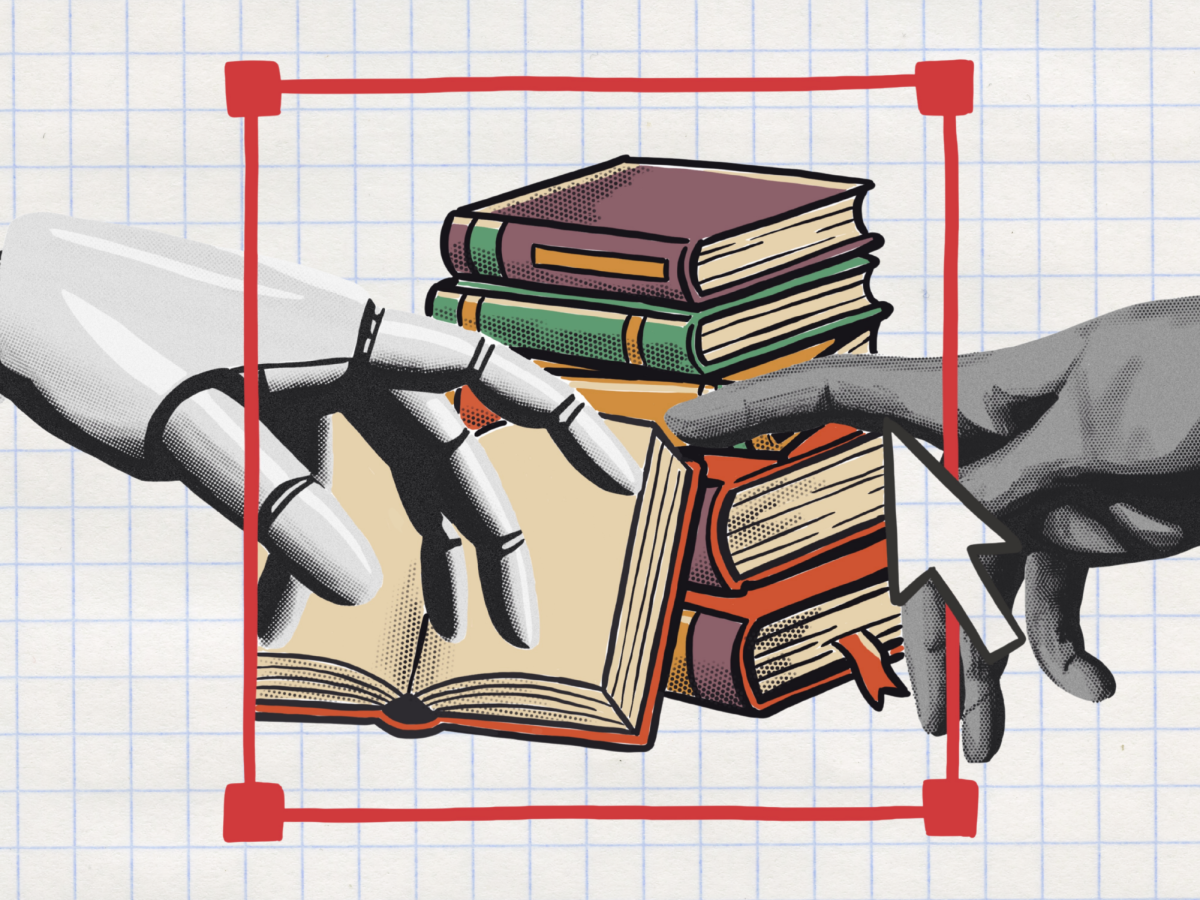
Chalamet’s argument rings as not only insensitive but also alarmingly tone-deaf in today’s AI-ridden landscape. Traditional arts already face narratives of decline as debates ensue on whether they are dying or have the ability to evolve. Opera houses and ballet companies often strive for modern pieces, to varying degrees of success, but Chalamet pointed to two forms of art that can’t be replaced by digitizing and need the human body for their artistry. Amidst critics who claim that traditional art may not survive our generation, Chalamet’s comment, combined with his significant public persona, simply reinforced the narrative.
Yet perhaps the vehement reaction to Chalamet’s statement establishes that traditional art isn’t fading into obscurity. The intensity of responses portrayed a collective desire to maintain these arts; the extent of the backlash he faced didn’t stop at defending ballet and opera, and artists’ rebuttals weren’t limited to the virtues of traditional art. Instead, they emphasized the importance of live human performance, pointing to a larger generational discomfort with the way art is changing before our eyes. But despite this discomfort, we cannot relegate traditional art to the structured rules they’ve abided by for centuries or the preestablished hierarchy we believe in.
We must find a way to strike a balance between preserving and innovating in art. The history, traditions and culture that these forms carry speak of human history and countless artists before us. But innovation isn’t always harmful or destructive — in the 2023-24 season, contemporary operas drew 65% of opera audience attendance. Even the Metropolitan Opera, a longstanding cultural institution, had to heavily dip into its over $300 million endowment in early 2026 while experiencing layoffs due to dwindling audiences and a structural deficit. If the only solution is modernizing traditional art forms and finding new ways to innovate to help bypass these issues and preserve art, then it’s vital we take advantage of that.
By now, AI content has surpassed human content in volume. Our world is rapidly changing, and to sustain the art forms that have constructed our world and the artists who dedicate their lives to them, we need to find ways to innovate along with the rest of the world and invite new audiences by demonstrating their continued capacity to resonate. What is really dangerous for art is not criticism but stagnation: on stage, and in the discussions that surround it.