


Everywhere we look, it seems like corporations are pushing products that evoke nostalgia. Whether it’s unprompted movie remakes or tacky Y2K fashion trends, nostalgic marketing remains one of the most effective ways to promote products or services. According to a 2025 study by Talker Research and UserTesting, consumers, on average, spend 32% more on items they feel nostalgic about.
According to Forbes, nostalgia induces joy and comfort, which, when connected to a product, encourages customers to make purchases. Corporations haven’t missed this opportunity to increase their profits. Social media companies prey on the strong emotions that nostalgia brings through features like “On this day,” which shows pictures posted years ago on the same date. These features are deliberately designed to capitalize on that nostalgic feeling to increase the platform’s active user base.
Nostalgia-based marketing is far from new, resurfacing in 20 to 30-year cycles. This cycle is calculated to appeal to the pasts of generations as they mature into adults with more buying power. The current targets of nostalgic marketing are millennials and older Gen Zers, as Y2K fashion floods clothing stores and movies like The Minecraft Movie take over the box office.
However, this cycle is speeding up. People have become nostalgic for increasingly recent times since the COVID-19 pandemic. Additionally, Gen Z has become increasingly nostalgic for a past they never lived, due to the availability of media from the ‘80s and ‘90s on the internet and the romanticization of the past due to modern economic and political concerns, making the demographic even more vulnerable to nostalgic marketing tactics. Social media has only amplified this effect through trends like “2026 is the new 2016,” further idealizing the past.
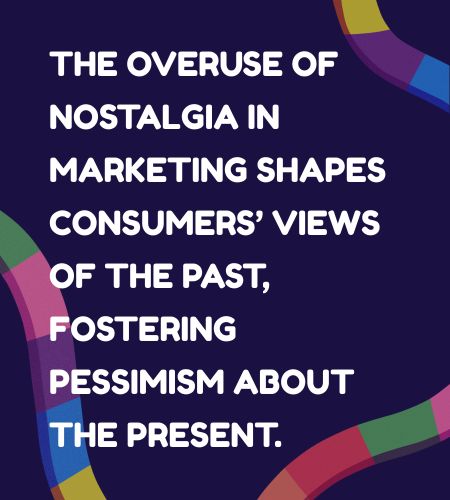
While the prospect of corporations exploiting nostalgia for marketing is not always detestable, there are broader underlying implications. The overuse of nostalgia in marketing shapes consumers’ views of the past, as products are advertised in a romanticized light, fostering pessimism about the present. Also, constantly selling nostalgia takes away from the emotions behind it, and doesn’t hit close to home for consumers. For instance, in 2014, amid financial ruin, Radio Shack launched a well-received Super Bowl ad campaign, “The 1980’s Called,” which was rooted in “nostalgia,” according to the CEO. However, according to TIME magazine, this ad campaign couldn’t save the company from failure, as they invoked nostalgia in customers, but when eager customers went to stores, they were disappointed. The store’s environment didn’t deliver on that nostalgia.
Often, seemingly harmless nostalgic marketing can cross the line. Politics is one such area; for example, “Make America Great Again,” a slogan used by both of Donald Trump’s presidential campaigns that some believe to be rooted in racism, inaccurately glorifies America’s past as simpler and more united. This is often seen in other right-wing populist campaigns, where politicians manufacture a sense of crisis and then point to simpler times in the past to exploit how nostalgia often leaves out unpleasant memories. According to The Guardian, this strategy can lead to bad policy decisions keen on restoring an oversimplified version of the past that never existed.
Additionally, products made to appeal to people’s nostalgia are often of poorer quality than their older counterparts. This is because it is more profitable and reliable for corporations to hedge their bets and not innovate. For example, much of the clothing from the recent Y2K fashion revival comes from fast fashion companies, such as Shein, which is made to follow trends with little regard for quality. By evoking nostalgic feelings in consumers, corporations get away with neglecting the actual product and increasing prices. Furthermore, entertainment companies like Disney double down on live-action remakes of classics, resulting in subpar versions of the originals. These decisions make companies seem lazy and unoriginal, which turns customers away from the brand. This is exacerbated as the cycle of nostalgia marketing speeds up, seen through the backlash to Moana’s live-action remake, coming only a decade after the original release, when previously only multiple-decades-old media were remade.
Even though our strong feelings for the past are often exploited by nostalgic marketing, we need to recognize when we’re feeling nostalgic and avoid making impulsive purchases to fill our longing for our simpler past. As nostalgic products become increasingly gimmicky, we need to be more cautious about how we choose to indulge in our nostalgia. An effective way to send a message to corporations that seek to exploit nostalgia is through our own consumption — by being more discerning about the quality of products we seek to buy, and not engaging with the products these corporations produce, we can discourage companies from turning nostalgia into fast-fashion trends and maintain the integrity of our memories.
Correction (April 9, 4:00 PM): This article has been updated to correct the source and date of a study cited, conducted by UserTesting and Talker Research.