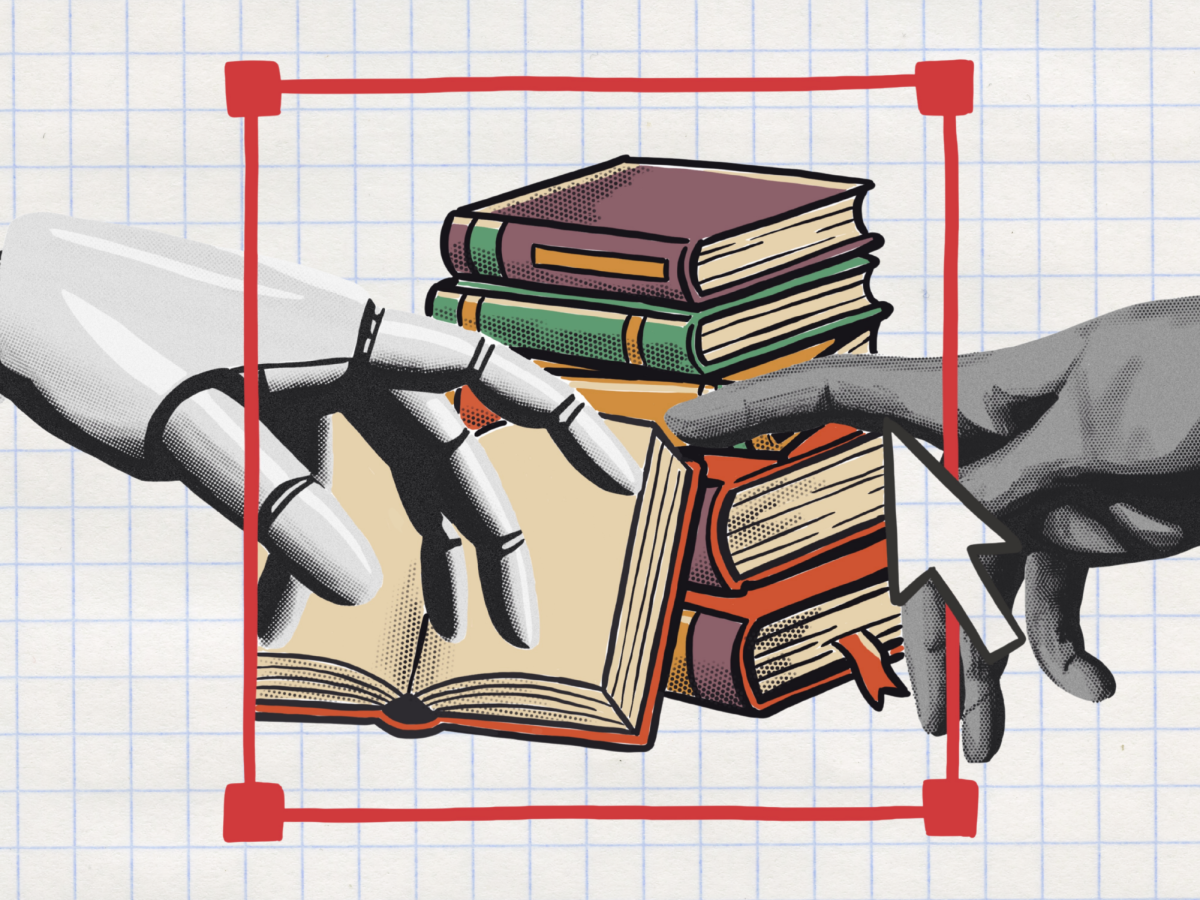


This is what DoorDash co-founder and billionaire Andy Fang said in response to a potential 5% tax on his $1.5 billion net worth, a statement that may stretch the definition of a “wipeout.” His comments push a broader parroted narrative on the proposed “California Billionaire Tax Act” — that raising taxes on the rich will make billionaires flee, taking their businesses with them.
This proposed legislation looks to levy a one-time 5% tax on all California residents with a net worth of over $1.1 billion. The statewide proposal is spearheaded by Service Employees International Union-United Healthcare Workers West and needs to receive roughly 900,000 signatures to be on California’s ballot in Nov., a threshold they are confident to reach.
This proposed legislation comes in response to substantial funding cuts at the federal level from the Republican-led “Big, Beautiful Bill.” The federal bill, signed into law on July 4, 2025, cut crucial government programs like California’s Medicare, Medi-Cal and Supplemental Nutrition Assistance Program benefits. According to the Californian Health Care Foundation, more than 15 million Californians rely on Medi-Cal for health insurance, and more than 5.5 million rely on SNAP benefits for groceries. In light of federal reduction, the state must find a way to raise taxes to fund these public foundations. According to the “Billionaire Tax” initiative, the act would raise nearly $100 billion from the more than 200 billionaires who reside in the state, making up for federal funding lost in the gutted social programs.
With this lack of funding, the fact remains that billionaires pay lower taxes in proportion to the general public. According to the National Bureau of Economic Research, when measuring taxes using an effective tax rate that accounts for capital gains — profits from investments that aren’t liquidated — the top 400 richest Americans pay around 24% in taxes, compared to the general population, which pays around 30%. On the other hand, higher-paid professionals, including lawyers, doctors and engineers, who make up a large majority of the Cupertino community, pay around 45%. Billionaires who pay far less in proportion to their income in taxes through loopholes in the tax code are effectively taking advantage of higher-paid professionals, who earn far less but pay much more in proportion to their actual income than billionaires.
Opponents of the bill argue that this proposal is economically reckless. For example, politicians like California Gov. Gavin Newsom strongly believe that it would have the opposite intended effect, instead reducing California’s tax base by encouraging billionaires and businesses to exit. However, Newsom has a vested political interest regarding the wealth tax. According to Forbes, billionaires like former Netflix CEO Reed Hastings, Fang and former Google CEO Eric Schmidt have each dumped millions of dollars into Newsom’s political campaigns. For the MVHS community, where family employment depends on the technological sector, billionaire companies matter. If tech companies decide to move elsewhere, MVHS families may approach a crossroad between employment and living in California.
However, there is little evidence to suggest that billionaires will actually leave if California imposes the Billionaire Tax. In 2022, Massachusetts passed the “Fair Share Amendment” into effect, imposing a 4% surtax on annual income exceeding $1 million. According to a report by the Institute for Policy Studies, the millionaire population in Massachusetts has continued thriving, even increasing from around 440,000 in 2022 to more than 612,000 in 2024. Moreover, in places with wealth taxes, the wealthy are less likely to migrate out of the state than the general population due to high-value stakes in the land.
According to Mercury News, the Bay Area itself is home to 131 billionaires. During the pandemic, remote work led many to speculate if Silicon Valley’s dominance was fading, as several big tech companies began opening offices in Austin, Texas, enticed by lower taxes. This period sparked a broader narrative that Austin was going to replace Silicon Valley as the next major technology hub. However, according to the Wall Street Journal, Austin is now “bleeding tech talent,” with lower-quality technology events and poorer networking opportunities in comparison to San Francisco’s AI boom, causing many to move back to San Francisco. The idea that Silicon Valley will move to a different area has occurred before. But with the limited success Austin faced as a “new Silicon Valley,” it’s reasonable to assume billionaires will not move if they want to stay in business. NVIDIA CEO Jensen Huang had a similar sentiment regarding Silicon Valley’s future, saying that he would be perfectly fine with paying the wealth tax, again citing that the talent will remain in Silicon Valley.
Billionaire-led companies are unlikely to find another place as suitable as California. California’s robust support system, including the University of California schools and other universities like Stanford University and the California Institute of Technology, provides the professional talent needed to support startups, innovation and billionaire companies, which means the proposition will lighten the burden on struggling families on SNAP benefits and Medi-Cal, in an already expensive state to call home.
Paying the tax should be an obligation for billionaires to give back to the talented workforce who have lifted their companies from the ground up, especially due to the tax disparity between them and higher-paid professionals that allows billionaires to pay less. In order to make sure billionaires cannot continue to ignore the working class, we should support the California wealth tax despite their empty threats to leave.