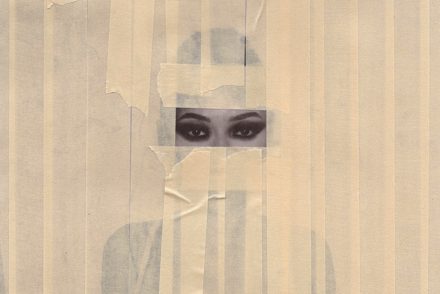



Grammy-winning rapper 21 Savage released his fifth solo studio album, “What Happened to the Streets,” on Dec. 12, 2025. The album features Young Nudy, Latto, Drake, GloRilla, G Herbo, Metro Boomin, Lil Baby and Jawan Harris. The album’s title invites listeners to question street culture, a theme further reinforced by the cover art: a variation of Kerry James Marshall’s ‘A Portrait of the Artist as a Shadow of His Former Self.’
The opening track “WHERE YOU FROM” establishes 21 Savage’s credibility for the album’s scrutiny of street life by recounting his firsthand experiences with the unforgiving streets of Atlanta. On the track, 21 monotonously raps over a forgettable 808 beat, with dogs barking in the background. Additionally, he clears up ambiguity surrounding his stance on the Metro Boomin-Drake feud, saying, “P—-, don’t ask me ’bout Metro or Drake / Play with either, get shot in the face.” 21 Savage positions himself as neutral rather than taking sides in petty beef establishing his maturity, which is further emphasized when he features the two feuding artists on the album.
On “ATLANTA TEARS,” 21 Savage and Lil Baby directly confront the destructive nature of street culture rather than glamorizing it, as many rappers usually do. Lil Baby’s verse, “When you thuggin’, it’s like, ‘F— it’ when the judge give life sentences / Fifteen years in and I guarantee you feel different,” contributes to the album’s purpose of portraying the ghetto as a dark, damaging place rather than glorifying it.
“I WISH” serves as the final track, sampling the chorus of R. Kelly’s “I Wish” as 21 Savage pays tribute to many rappers and a close friend of his who have lost their lives as a result of gang violence, by wishing they had made different decisions. While this ending is thematically conclusive — as it illustrates the final effects of romanticizing gang culture — 21 Savage falls short with his unengaged delivery, lacking passion in his voice. It feels more as though he is trying to rebrand himself to look less ghetto, but fails to do so in an authentic fashion.
The most popular song on the album, “MR RECOUP,” features Drake, whose delivery is flat and low energy, and his verses are mostly forgettable, including “Damn, Iceman, your initials just changed / Mr. Recoup, that’s my other nickname,” sounding like a child freestyling for the first time. The piano instrumentals add a level of elegance, but clash with the funky synth, sounding somewhat ridiculous.
While “MR RECOUP” misses the mark due to its lackadaisical performance, 21 Savage teams up with GloRilla on “DOG $HIT.” Her unique accent and gritty flow command attention and she brings energy that 21 Savage traditionally lacks, especially on an overpowering beat like this one. His restraint on the song makes him feel like he was the feature and GloRilla was the main artist. The absence of authority on various tracks like this weakens his presence on his own album.
In addition, 21 Savage used little experimentation throughout the album as he relies on the same beats, flows and even lyrics that he’s used in many of his past projects. In “I Am > I Was,” one of 21 Savage’s more ambitious projects from 2018, his artistic growth was reflected through the risks he took throughout the album by delving into deeper topics and varying beat styles. However, in “What Happened to the Streets,” he seems stagnant, like he’s been writing the same song, with the same hard-hitting 808s, monotone voice and dark, cinematic beats for the past ten years. One of the moments 21 Savage stepped away from overused cliché themes, like flexing his money or girls, was on “ATLANTA TEARS,” where his verses felt more purposeful.
Despite a lack of creativity, the album’s relatively short run time works in its favor. At just 14 tracks and 47 minutes long, “What Happened to the Streets” narrowly avoids overstaying its welcome.
Throughout “What Happened to the Streets,” 21 Savage keeps the theme consistent, but he fails to provide us with a lasting impression. While the last two tracks, “ATLANTA TEARS” and “I WISH” unveil the consequences of street life, the rest of the album feels lackluster, relying on the same gimmicks he’s always used throughout his career. Although the brevity of the project strengthens its listenability, it’s evident that 21 Savage decided to play it safe, resulting in an album that sounds like 21 is out of ideas.
2.5/5