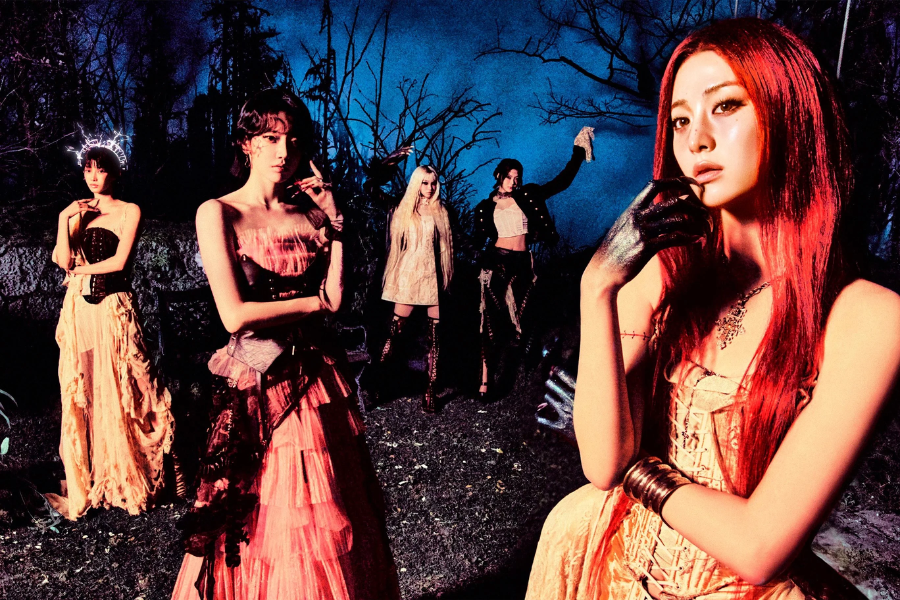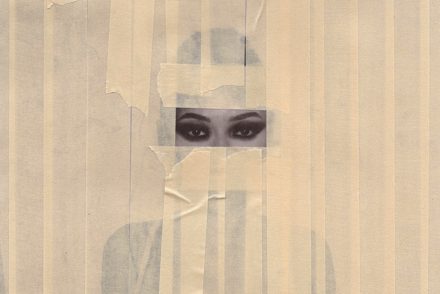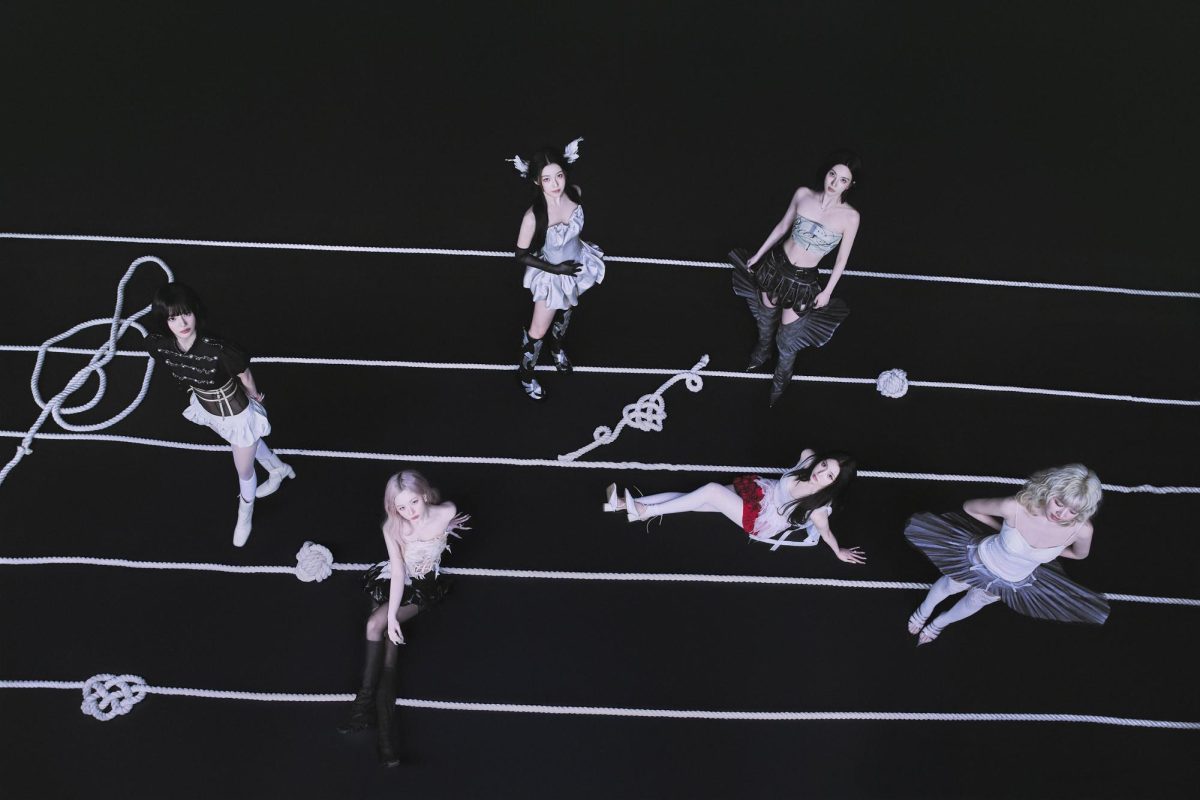



While fairytales can have happy endings, sisters Sidney and Caitlin Powell share a darker side of the story in their album “How To Kill A Fairytale.” Indie music duo Neoni released their fourth full album on May 8, starting their North American tour. Consisting of 15 songs, “How To Kill A Fairytale,” blends dark alt-pop and rock with electronic elements that make the songs flow by making the music styles sound similar to make it cohesive. While the album is ultimately cohesive, it does lose its footing occasionally with abrupt transitions and out of place music choices within the songs.
In “How To Kill A Fairytale,” Neoni takes the classic fantasy imagery and corrupts it into something much darker, which is one of the greatest strengths of the album. The opening track, “Tale As Old As,” establishes the atmosphere through harps, strings and flutes reminiscent of an old Disney princess movie. The vocals sound like they were recorded on vintage equipment, adding to the illusion of a classic fairytale opening. However, with the lyrics “Oops, I spoke too soon / Fell off cloud nine, woke up in a tomb,” the song abruptly shifts into punchy electronic beats. This juxtaposition of styles draws listeners into all the album has to offer; an ominous spin on a fantasy. The outro mirrors the beginning of the song, but the vocals become distorted and choppy as the music slows and breaks apart, reflecting something beautiful gone wrong.
The darker spin on fantasy continues throughout the album, particularly in “Roses.” Unlike the harsh electronic sound found in many of the tracks, “Roses” begins with soft guitar, creating a dreamy yet dangerous sound with delicate vocals to emphasise the romanticization of destructive things. This is shown especially in the lines “You see flags, I see roses” and “He loves me, hе loves me not / Watch the pеtals drop and then rot / As I keep tryna talk myself out of delusions.” Rather than portraying heartbreak as tragic, the song finds beauty within destructive relationships, reinforcing the album’s fascination with distorted fantasy and emotional chaos.
Beyond its rotten fairytale aesthetic, the album thrives in emotionally raw and cinematic storytelling. Many of the album’s strongest moments come from a balance of vulnerability and dramatic intensity. In “Jane Doe,” Neoni strips away much of the album’s heavy production in favor of soft guitar and heartbreakingly painful lyrics. In the chorus, Neoni sings “Maybe I’ll die alone, just another Jane Doe / ‘Cause I can’t get closе to anybody / If it’s a one man show at my funeral / ‘Cause I can’t gеt close to anybody / They’ll write it on my tombstone: / ‘Here lies another Jane Doe’.” The title itself — a nod to the placeholder name used in law cases — reinforces the feeling of being forgotten or replaced, allowing the emotional weight of the lyrics to stand out, making it one of the most devastating tracks in the album.
However, while Neoni’s experimental production choices often strengthen the album’s identity, some of its strange sound effects feel distracting rather than immersive.. In past albums, Neoni has implemented these quirks, such as a low groan in the beginning of “DARKSIDE” and the sound of an old music box at the beginning of “Superglue.” While some songs add unique oddities that enhance the album, “Good Grief” and “Metamorphosis” fail to land these touches. While “Good Grief” has punchy choruses and electronic beats, it starts the song with the lyrics “one two three,” in a baby voice. This stylistic choice stands out among the songs, but not in a good way since the placement feels random given it only shows up twice in the song. Similar in “Metamorphosis,” right before the first verse, a voice in the background screams, “Oh my god.” This is extremely sudden in the song which contributes to it feeling quite jarring rather than intentional. From their previous album, “The Death Of Daisies,” these distinctive sounds can be heard in the song “Utopia,” where, before the chorus, there is the sound of a gun loading. While, in this case, it’s fitting given the timing and how the effect flows with the desperate and savage rhythm of “Utopia,” Neoni failed to do the same in “Good Grief” and “Metamorphosis.”
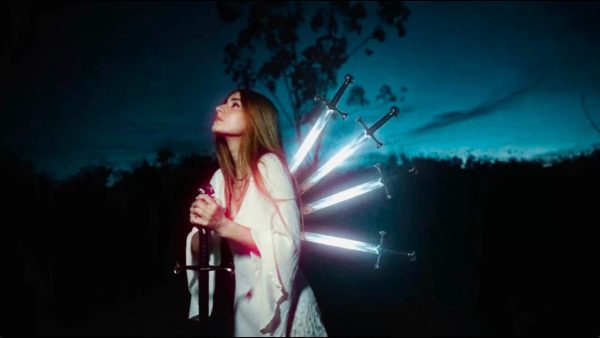
Although some of the songs cause “How To Kill A Fairytale” to stumble rarely in its consistency, its overall cohesiveness and style of music allow the album to be a highlight of Neoni’s career. Set in the middle of the album lies “Jane Doe,” four minutes of soft guitar and heart wrenching lyrics enough to make one cry, like in the chorus Neoni sings: “Maybe I’ll die alone, just another Jane Doe / ‘Cause I can’t get closе to anybody / If it’s a one man show at my funeral / ‘Cause I can’t gеt close to anybody / They’ll write it on my tombstone: / ‘Here lies another Jane Doe’.” In “Jane Doe,” Neoni sings about losing a sense of identity in a world that treated you like you’re replaceable, mirroring the title “Jane Doe” — which is a placeholder name used in law cases.
“Vultures” also stands out in the album, for it returns to its roots and gives us a refreshing sip of Neoni’s old music. The song basks in a punchy chorus, chilling verses and electronic beats, giving the listener the sense of being inside a sticky situation given the lyrics “Don’t look now, the vultures are circlin’ / Drop your crown, won’t need it where we’re goin’.” Found near the end of the album is “Autopsy,” an adrenaline-fueled dark alt-pop song with a fast tempo. The lyrics only enforce this thrill: “If I’m going down it’s kamikaze / Drink adrenaline like it’s coffee / Sit and stay, nope, you lost me,” giving this song almost a reckless urge to go out and fully live. The bridge carries the same feeling, with a cinematic atmosphere conveyed through rebellious lyrics. This combined with empowering music helps it feel almost like an anthem to living your life, giving it a type of song you’ll blast in the car on full volume.
While “How To Kill A Fairytale” stumbles over some sound effects that don’t tie the album together, the album overall keeps its consistency with dark storytelling and emotionally raw lyrics. Neoni takes the idea of a fairytale and tears it apart, replacing glass slippers and happy endings with obsession, loss, heartbreak and freedom. “How To Kill A Fairytale” may not be a perfect happily ever after, but maybe that’s the point. Neoni trades magic kingdoms for emotional wreckage in “How To Kill A Fairytale” — and somehow makes the ruins sound beautiful and cohesive.
Rating: 4/5