

“I wish I never met her.”
The words spilled out of me as I animatedly recounted a fight I’d had with one of my friends to my mom. In third grade, this was the worst fight I had ever had with a friend, and even though it was only over a petty miscommunication that our willful 8-year-old personalities couldn’t resolve, it seemed like the biggest problem in the world. This was the first time I framed a relationship as a “mistake” — a pattern that became a habitual mindset and one that would follow me for years.
I would consistently regard my past failures, whether that be relationships, hobbies, classes or even past versions of myself, as wastes of my time and things to be regretted. Questions like “Why did I even spend time with them?” and “Why did I act like that?” would plague me, and I started to view my past in a shroud of negativity.
I found myself losing things all the time. I lost friends, hobbies, likes and dislikes. I cycled through millions of versions of myself, and each time I settled on a new one, I would regard the previous one with distaste. When I grew frustrated and lost my love for playing the guitar, I had bitter resentment towards the time I spent playing, immediately deeming it a complete waste of time. When my next hobby, a month-long obsession for running, dwindled again, that period of time seemed useless to me, and the cycle continued. Anything that didn’t have a clear benefit — a friendship that ended bitterly, a hobby I quit or a version of myself I outgrew — became something I regretted.
In middle school, I grew distant from a close friend. Our personalities weren’t compatible — she grew restless with my sensitivity and I grew irritated at her abrasiveness. When our friendship ended, I engaged in an endless cycle of reiterating the regret I had for becoming her friend in the first place. I was in the same place I always ended up in, my mind stuck in indignation.
Though I did benefit from cutting ties with things or people that didn’t make me feel good, I realized the mindset of constantly viewing my past as pointless didn’t allow me to grow from it and reflect on it. My questions remained, “Why did I do that? That was so embarrassing,” and never, “What did that experience teach me? What could I have done differently?”
One night in my freshman year, I was passively scrolling through social media under the dim glow of the screen when I came across a quote: “Loving someone is never a waste.” At first, my thumb methodically and dismissively scrolled past, yet when I realized what I’d read, I immediately swiped back, my mind swimming. The realization dawned on me. This was the first time my belief had been challenged directly, the first time that I began to consider that a bitter ending didn’t necessarily erase the value of what came before and the ultimate lessons I could learn. For years, my entire belief system rested on the idea that my failures were wasteful and disgraceful, but all of my past failures were necessary to make me who I am today. Which meant loving someone or something isn’t actually ever wasteful, no matter how complicated that love was.
Though it took a while, I started seeing my past self in a new light. The next time I caught myself regretting an old decision, those six words played over and over in my mind. How could I deem something futile if, at one point, it brought me so much joy?
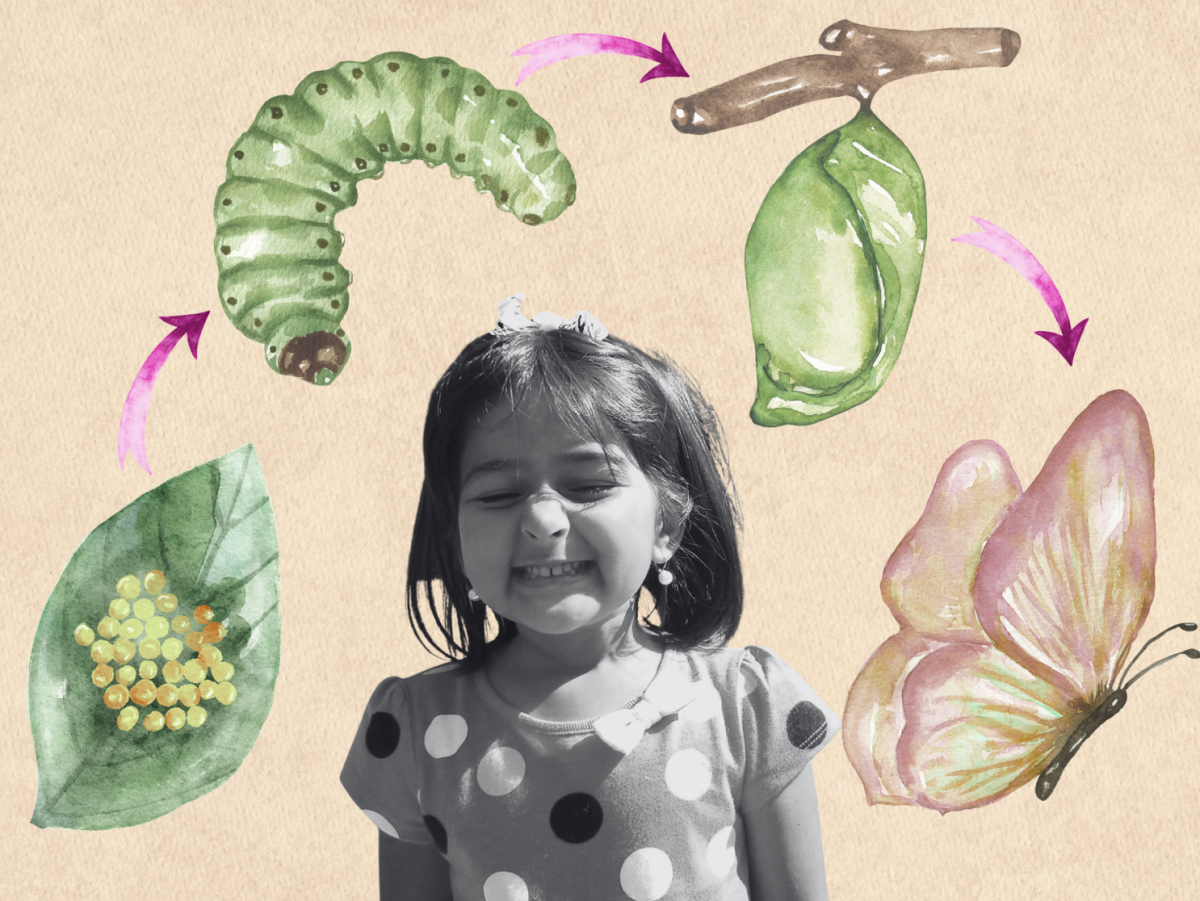
My elementary school, middle school and even freshman year self became my best friends — the people I’d learned the most from in my life. I stopped viewing my old self, old hobbies and old relationships as embarrassing or weird, but rather as necessary to be who I am today. In five years, when I look back at who I was in my junior year of high school, I hope to have the same admiration for her as I do for my current self.
So, dear reader,
We tend to view our past selves as undeserving or unimportant, hiding old pictures with embarrassment. But no version of you is truly undeserving of appreciation, and even in past relationships where you may have hurt each other, the love that you had and the lessons you learned are truly valuable and should be viewed as such.
There is no such thing as a waste of time. Every person, every place and every hobby will teach you something. It’s up to us to figure out what that is by asking the right questions. Criticize yourself less and learn from your past “mistakes” more — without the lens that that mistake was an unbearable waste of time. You might learn some new things about yourself. Take it from me.
Sincerely,