


At MVHS, the topic of politics in everyday conversation is often met with uncomfortable shifting of the eyes or passive nods. Students view politics as either too controversial or uncool, and feel that they don’t have to engage in conversation surrounding it. This phenomenon is called political apathy — where people make the deliberate decision to not care, educate themselves or get involved in politics.
Social Studies Department Lead Bonnie Belshe recognizes this firsthand, as she notices people removing themselves from the civic responsibility to learn, research and discuss politics, especially with eligible voters stepping back from their responsibilities. In fact, only 65.3% of eligible voters participated in the 2024 election, with 19.7% of non-voters claiming disinterest.
“It’s feeling like you don’t have to care or be informed,” Belshe said. “There’s very much a sense of privilege that comes with those who can claim political apathy. We have the responsibility to learn and to research. It’s someone taking themselves out of that civic responsibility that we all have.”
Studies show that political apathy is only growing, with steady declines in voter turnout throughout the years. Junior Ruquayyah Harb shares the sentiment that political apathy is a privilege to have, attributing MVHS students’ political apathy to their disconnect from the rest of the world because of the affluent and advantaged lifestyles of Cupertino. She notes that those who feel they are not directly affected by an issue feel less obligated to care about it. The longstanding belief that Cupertino is a protective bubble causes the residents to feel separated from outside issues, fostering a school body built on apathy.
“It’s so easy for us at MVHS to block out what’s happening in the world,” Harb said. “We live in such a bubble where everything’s perfect and there’s nothing for us to worry about, besides our grades or our schoolwork.”
Sophomore and Politics Club member Ahmad Subeh believes that students still have a responsibility to keep themselves educated on pervasive political topics, even if they aren’t directly affected. Subeh observes that many students also choose to remove themselves from politics as a result of ignorance regarding current events, and that some may not have the level of knowledge on political events to form evidence-based opinions. Although other schools or environments may lack tools — like funding or teachers who are willing to discuss the topics — to inform people about politics, MVHS students have plenty of resources, categorizing this as more of an excuse rather than an explanation.
“We’re responsible for trying to find knowledge,” Subeh said. “If you don’t have that knowledge already, then it’s hard to take action for something you don’t even know about, but willful ignorance is not a good thing to have in society. Watching willful ignorance is like watching a dystopian movie.”
Belshe has also noticed a trend of apoliticism where nonvoters distance themselves from politics because they don’t agree with everything a specific political candidate says. People reported not voting in the 2024 presidential election because they felt that both candidates did not adequately address a variety of issues, but Belshe believes this reasoning is counterproductive.
“When it comes to who you should support, it’s not who’s the perfect candidate, but who’s the one that’s closest aligned,” Belshe said. “Then you can put pressure on who wins for the policies that you want to see in place. We are not going to get perfect candidates, because there are no perfect people.”
As people remove themselves from the political atmosphere, Subeh argues political apathy could have devastating consequences for society — it could cause people to remain uninformed on different issues while the political atmosphere shifts, and there would be no progress on those issues that people are concerned about.
“It keeps people in this laid back and still state,” Subeh said. “People are conditioned not to try to know something that makes them uncomfortable, and this is not a good thing to have. We should not be still creatures, where we don’t do anything and just worry about ourselves. We have to worry about our environment and see how we can respond to it and also improve it.”
Harb agrees, arguing that indifference hinders changes that could be made in response to political policies, systems or violence. Though she recognizes most would not be comfortable protesting, she believes simply engaging in conversation is activism in itself. Specifically, Harb uses the example of the long-standing conflict between Israel and Hamas to highlight people’s affliction towards political apathy.
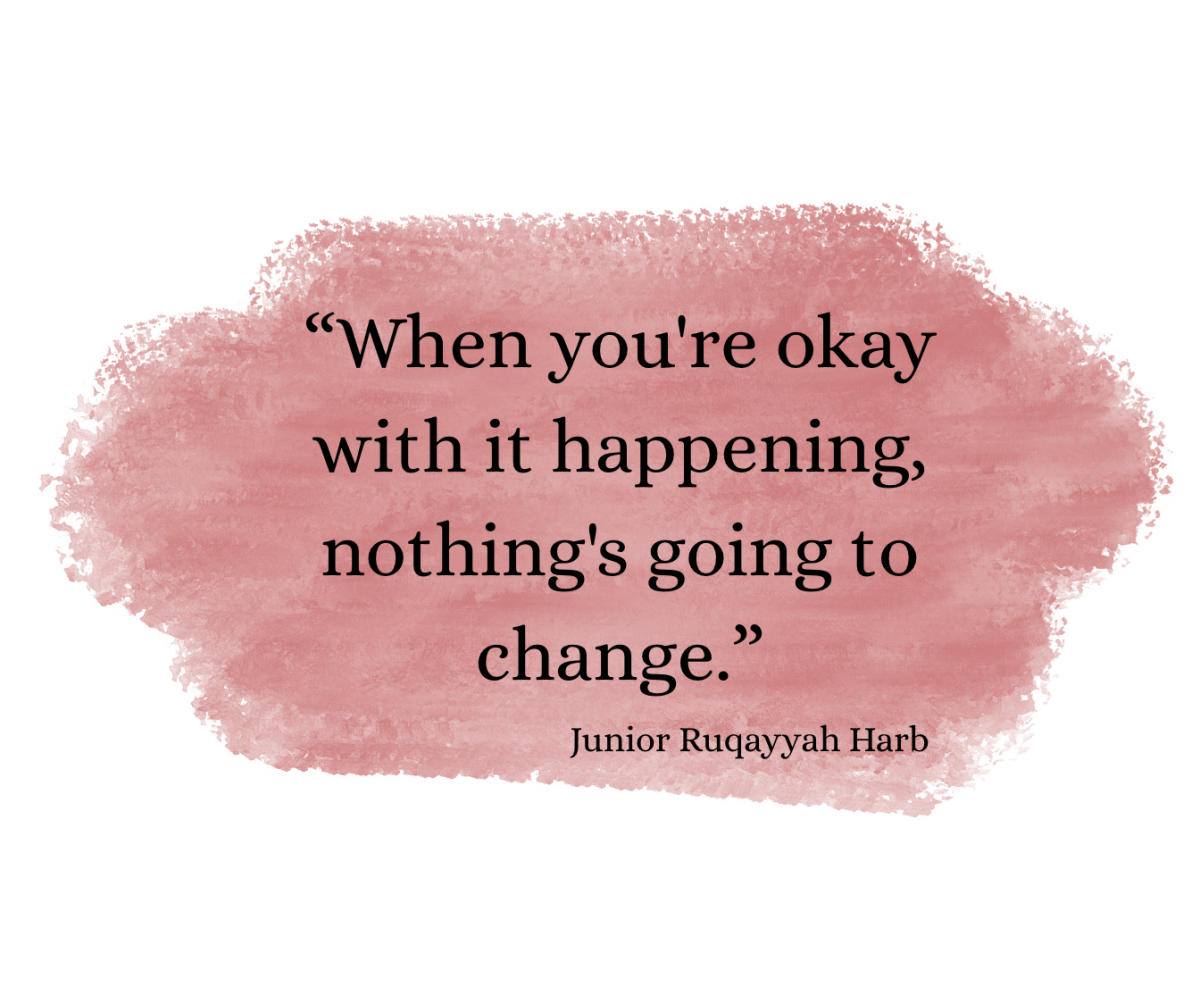
“When you’re okay with it happening, nothing’s going to change,” Harb said. “It’s going to keep happening. These global superpowers that are perpetrating these events are just going to keep getting their funding and keep getting the money, and nothing’s going to change.”
According to Belshe, apoliticism could be blamed for the policies that are affecting groups — including people of color, the LGBTQ+ community and women — that she empathizes with. Especially with the hostility to reproductive access, where abortion and reproductive healthcare remain hostile or illegal in 26 of the 50 states, Belshe believes this is largely due to people removing themselves from the processes that have the potential to stop policies like these from being put in place.
However, reasons for disengagement and apathy may stem from a place of exhaustion. Around the time of the 2024 presidential election, 69% of Americans reported that they were experiencing news fatigue, a state of exhaustion due to overwhelming or negative news content. Subeh recognizes the validity of this argument and encourages taking breaks while still remaining an active participant in politics. The University of North Carolina, Chapel Hill suggests being more strategic in the way that we consume our news through time-blocking, or separating specific time for news to focus on, rather than getting caught up in mindlessly scrolling through news on social media.
Some may argue that political apathy benefits the current political environment by reducing tensions between parties in a toxic political environment, but research reveals that avoidance does not help polarization. Rather, Belshe encourages separating the candidates from their policies, and making educated opinions and goals for people to actively work towards.
“People need to get involved in terms of issues that they care about, not so much feeling tied to the candidates,” Belshe said. “They really need to be looking to see who the candidates are that are closer on those issues that they really care about, what civic organizations are related to those issues, and to volunteer and to work with those.”
At MVHS, Harb feels the best way for students to become less apathetic towards politics is to open up conversations in everyday language, rather than treating politics as a controversial topic. Students may be intimidated by the topic initially, but continuous efforts can break this cycle.
“When certain issues come up, don’t shut students down for trying to speak their opinion,” Harb said. “Just opening up conversation or encouraging teachers to discuss current events more often in the class will make students actually understand that they are not just living as individuals. Preaching empathy will help them look beyond just themselves and see where their role is in society as a greater family that we are a part of.”