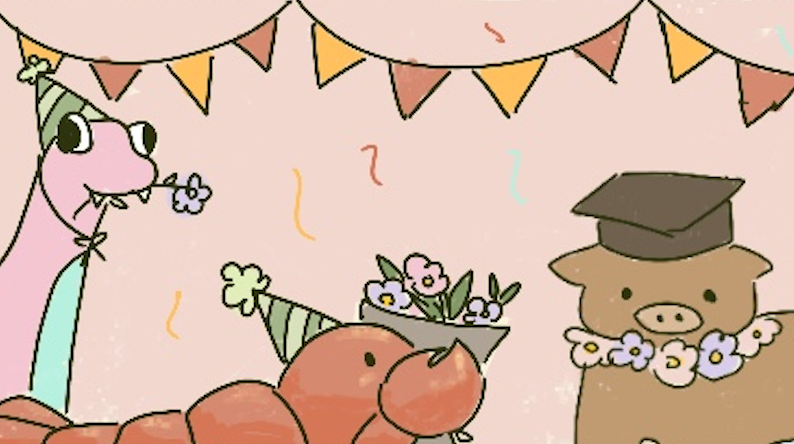


Nostalgia is often thought to be something that comes with age. But for many teenagers, this feeling is becoming increasingly common, from moments that remind them of their childhood to stuffed animals on their mattresses. For junior Eliana Lee, puffed rice cakes have always had a special place in her heart — not just for their taste, but for the memories they hold.
“I would bite on it, and then I would wait for it to melt and dissolve,” Lee said. “The first time I was eating it, I would get it all over my bed, and my mom got really mad at me. So over time I developed that technique, and it’s a big part of my childhood.”
Not only are these puffed rice cakes one of Lee’s favorite snacks, they also bring back memories of childhood and with it, nostalgia. Nostalgia is defined as a sentimental longing for the past that is usually triggered by memories, people, objects or places. Some teenagers hold on to stuffed animals from their childhood or other objects from when they were little.
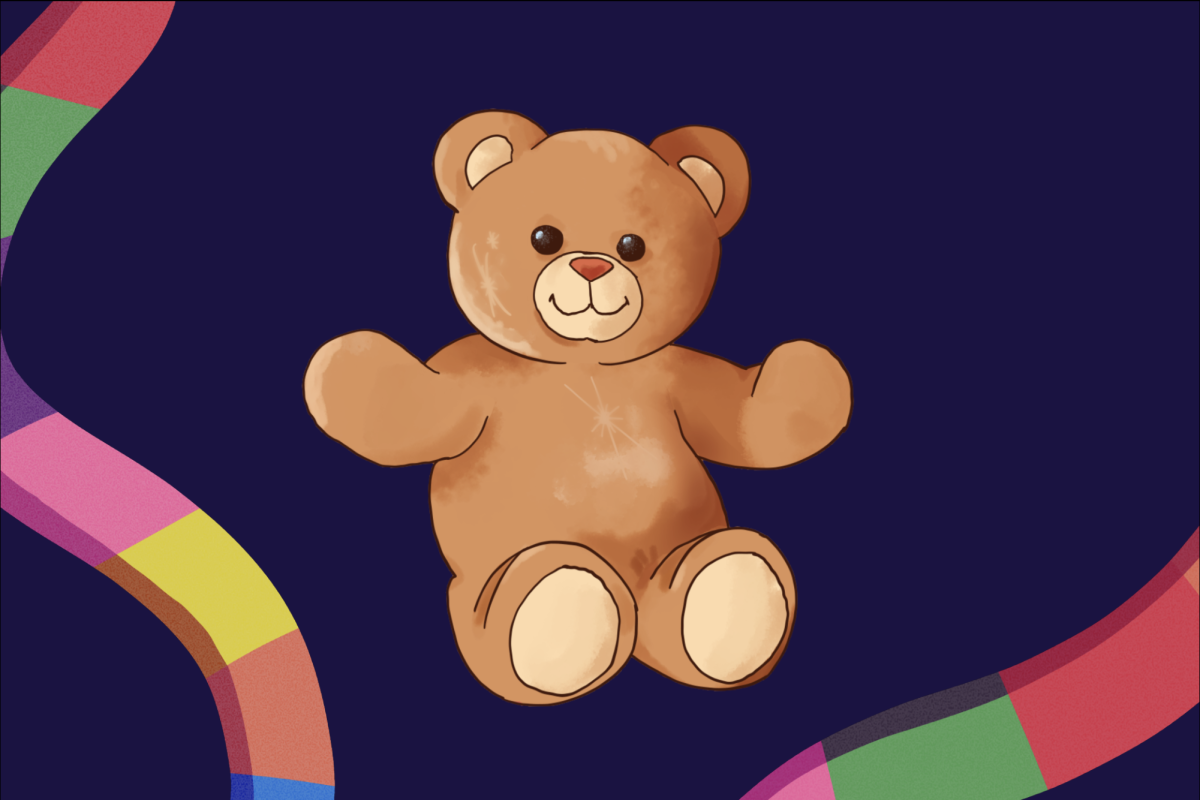
Print center technician Paula Gaspar holds on to toys from her childhood, and she also notes a sense of nostalgia with her 25-year-old son, who keeps a stuffed bear that Gaspar gave him. Gaspar hopes that her son holds on to his stuffed bear, as she believes the sentimental value can bring a sense of comfort.
“Don’t throw away anything that you feel is important,” Gaspar said. “I have so many things from the ‘80s that I was told to take care of, and I wish there were things I didn’t give away because I know my son would love them. So don’t throw things away. Cherish them.”
Across social media, people are calling 2026 “the new 2016,” a nod to how life felt simpler and in the past. Fashion styles such as Y2K have made a resurgence, and digital cameras are more common than ever, bouncing back from the decline in usage due to the rise of smartphones, showing an increase in a retro aesthetic that is common among Gen Z.
Sophomore Ashley Ten notices this, especially with MVHS seniors wearing backpacks with childhood cartoon characters or superheroes, recognizing that it may not just be a trend, but may show an urge to return to their childhood, demonstrating how nostalgia can impact people on a more personal level. She believes that the memories of stress-free times can ease stress from the academic culture at MVHS.
“Everybody wants to hold on to their childhood because it’s such a memorable and special part of our lives,” Ten said. “It felt like you had no worries and no fear of the future at all. Back then, I was like, ‘Oh, I’m just thinking about my next play date with my friend,’ or the next time I’m going to have fun or do something. It was a lot simpler.”
Gaspar has held on to a lot of things from her childhood, ranging from her Garbage Pail Kids cards to her trapper keeper, which was a popular binder brand in the ‘80s. Those objects bring back all the memories that are attached to them, like playing games in middle school with her friends, which Gaspar still plays with her son.
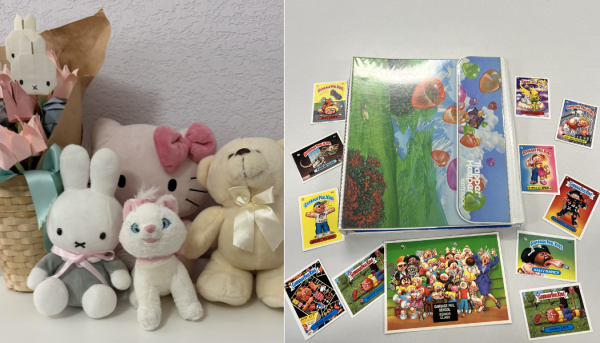
“Certain childhood objects remain important because they hold real sentimental value,” Gaspar said. “They have memories I now share with my adult son, and that I hope he’ll one day pass on to his own children. It means a lot to be able to pass them down to him, and hopefully one day to my grandkids.”
Those memories are important to people to reminisce on the good moments, says Gaspar, but they can also bring back memories and moments that could be heartbreaking or saddening. Lee recalls her journey in taekwondo, and how she continued until she had gotten up to a black belt and then stopped, even after her coach told her she could have continued. This is one of the memories that brings sorrow to Lee, which she notices is an example of how negative experiences can surround nostalgia. For her, taekwondo reminds her of a missed opportunity and how a hobby could have impacted and changed her life in many ways.
Not only can nostalgia bring about these feelings of regret, but it also shows how individuals choose to reflect on nostalgia. It brings light to how nostalgia functions as a shared experience — like how Gaspar plays games from when she was young with her son, to Ten remembering the carefree times playing with her friends as a kid — influencing how people view the world around them.
“I think the way we remember childhood shows that people tend to focus on the good parts of the past,” Lee said. “We often idealize those memories because they bring comfort, especially when life gets more complicated. We can think about the past and good times and good memories that we had, and then remember that we can make more good memories like that in the future.”
While the word nostalgia has both positive and negative connotations, Ten believes one might find their reality disappointing in comparison to their childhood. This could make it hard for someone to accept change, but she also points out that it varies for different people and across different generations, from seniors wearing backpacks to adults holding on to their childhood games. But Ten says it’s also a reminder to stay in the moment.
“I think it’s good to feel nostalgia,” Ten said. “You’re getting older every day and you’ll make new memories. When I hang out with my friends, I’ll think tomorrow I’m gonna be like, ‘Oh, I miss this so much.’ But I think it’s more about staying present and really fully let yourself enjoy things.”