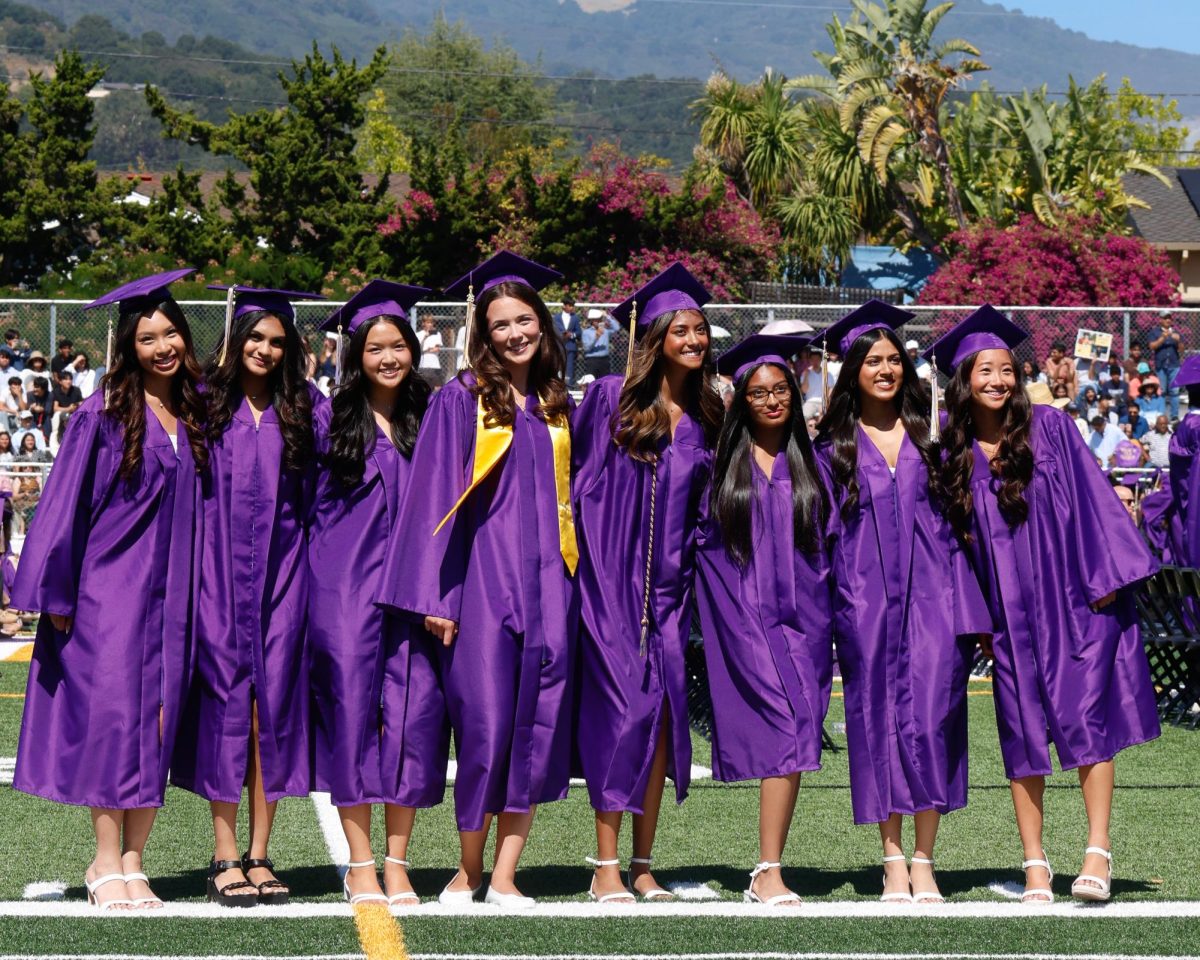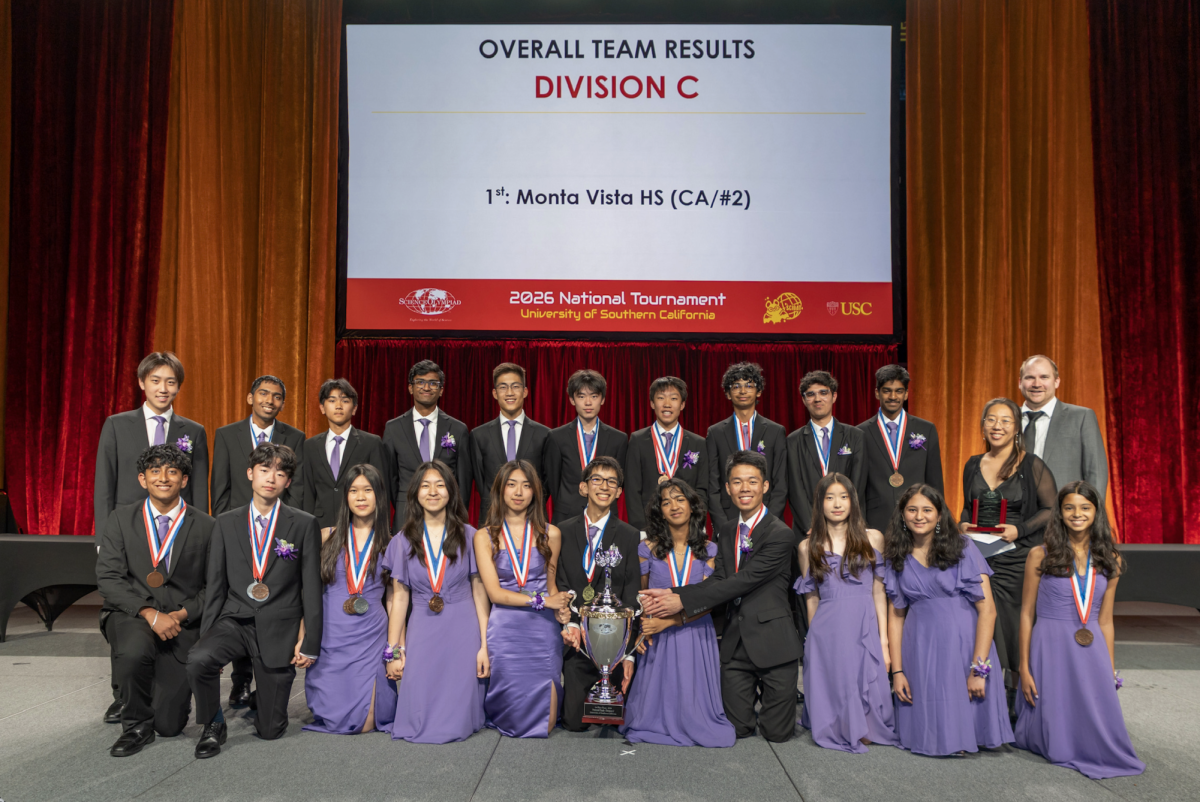



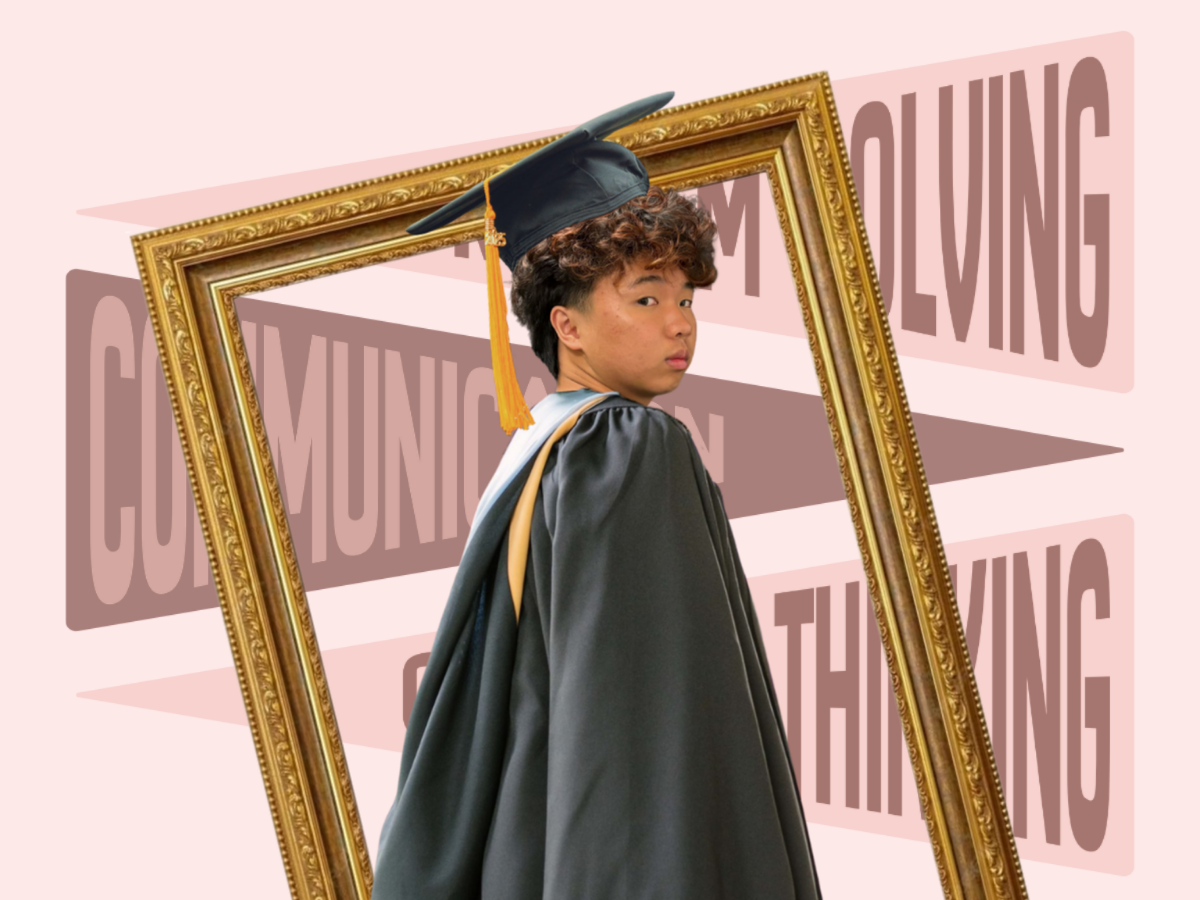
FUHSD administrators and staff have been developing a framework outlining the skills high school students should have by graduation through districtwide discussions and planning since the 2022-2023 school year. The initiative, referred to as the “Portrait of a Graduate,” aims to prepare FUHSD graduates for college, careers and life by focusing on real-world skills that quantify student success beyond academics.
In California, public schools are accredited through the Western Association of Schools and Colleges in collaboration with the California Department of Education, based on evaluation of broad learning goals. These goals are often assessed at a system level rather than through classroom practice. However, Associate Superintendent of Teaching and Learning Trudy Gross says these goals often do not clearly connect to everyday instruction. This prompted the district to rethink how to communicate and practice those expectations.
“Oftentimes, an established learning curriculum is very broad and doesn’t always end up showing students what those skills look like in practice,” Gross said. “Our focus is to identify what those essential skills are and make them show up in the daily instruction.”
To address this gap, the district has identified five main competency areas: communication and collaboration, critical and creative thinking, problem-solving and decision making, self-awareness and self-management, and social and civic responsibility. These skills were chosen based on research, existing school goals and input from FUHSD feeder districts, such as the Portrait of a Learner at the Cupertino and Sunnyvale Union School Districts. While similar skills appear in existing WASC goals, Gross says those standards are primarily used as high-level benchmarks for accreditation and are not explicitly taught in daily lessons. In contrast, FUHSD’s PoG framework aims to create consistency across all five high schools in the district by reinforcing these skills across subjects through everyday shared instructional practices and district guidance, creating a more consistent experience for all students.
MVHS counselor Belinda Olson said that after its earlier planning, the initiative was finally introduced to the district in 2025. Since then, the framework has been expanding as FUHSD staff and other educational partners review the PoG draft to provide feedback during the 2025-26 school year.
“We’ve been very intentional with getting feedback, not just from classroom teachers, but also from our office and custodial staff, because self-awareness and citizenship shouldn’t be just within the classroom,” Olson said. “How students come across day-to-day with others across campus, with peers and staff, is part of those skills, so we’re trying to involve the entire school community.”
As part of this process, the district is also working to extend outreach to include not only teachers but also students, families and community members through feedback opportunities and discussions. Olson emphasized that students’ involvement will be key in shaping the framework moving forward.
“I would really, really encourage students to advocate and be very involved in this process,” Olson said. “Be very authentic and blunt about what you haven’t learned that you would have liked to have learned. I hope that students speak up about what would have been really helpful to be embedded in their classroom settings.”
Special Education Department Lead Ruth Seyers explains one goal of the PoG is to better connect classroom learning to real-world applications. Instead of adding new curricula, the framework would guide teachers to emphasize the selected skills in their existing lessons for students to develop alongside classwork. For example, teachers may incorporate more group work to build collaboration, communication through discussions or decision-making through assignments that require it.
“We want students to leave with skills that will make them successful in their lives going forward,” Seyer said. “It’s more than just knowing how to do algebra or history. It is the elements that we call soft skills and how all those pieces come together — it’s how you use and apply the content, and these goals are designed to identify that.”
Olson echoes this sentiment and says this shift reflects a broader change in education, particularly as technology evolves and how schools define essential skills. She mentions that the rise of artificial intelligence has made it more important to focus on skills that extend beyond basic academic tasks.
“Teaching content is now more about collaboration rather than just knowledge,” Olson said. “Can you write a thesis? Can you write five body paragraphs? That has shifted because now AI can do some of those tasks. The expectation of how college courses are being taught right now is changing. We’re in between adapting to what students already know from middle school and seeing what actually is going to be helpful for you in college.”
To support implementation, Gross also shares that FUHSD is working on developing Adult Portraits, which are traits staff should display on campus to demonstrate PoG competencies, and System Portraits, or ways teachers can integrate the core values of FUHSD using professional development opportunities. These opportunities include workshops, where colleagues will present different instructional drafts to one another for feedback. As the PoG framework starts to show up in classroom instruction, Gross mentions that it is important to measure its success to ensure that skills are reinforced consistently across courses and grade levels.
“We are working on how to support teachers in integrating these skills and how to measure student growth,” Gross said. “These evaluations include an increase in our graduation rate, A-G eligibility and the California Healthy Kids survey. This isn’t just about academics. This is also about well-being.”
In addition to academic outcomes, Gross adds that the framework also emphasizes purpose and belonging to students. It does this by helping students understand the relevance of what they are learning in the classroom and connecting it to their school community. With these shared goals in mind, teachers have generally responded positively by agreeing on the framework, according to Seyers and Gross. However, some staff raised questions about how the framework will be implemented and how it will fit into the existing curriculum.
“We are already starting conversations about PoG when we meet with teachers,” Gross said. “We are asking teachers, ‘how do you support skills like communication or critical thinking in your classroom?’, so we can roll the framework out in a way that it comes together with existing lessons rather than replacing them.”
The framework will remain in a development and feedback phase through the 2026-27 school year, with a more formal rollout expected in 2027-28. The district is currently planning to expand outreach and refine the framework based on community input and professional development. In the meantime, Seyer says the initiative reflects a larger shift in preparing students for a rapidly changing world.
“The world has changed in many ways,” Seyer said. “AI is here, COVID happened and there are a lot of things that have gone on. We want to ensure that what we are teaching students is preparing them for those real-world demands they are going to be exposed to, because it is constantly changing faster than ever before.”