
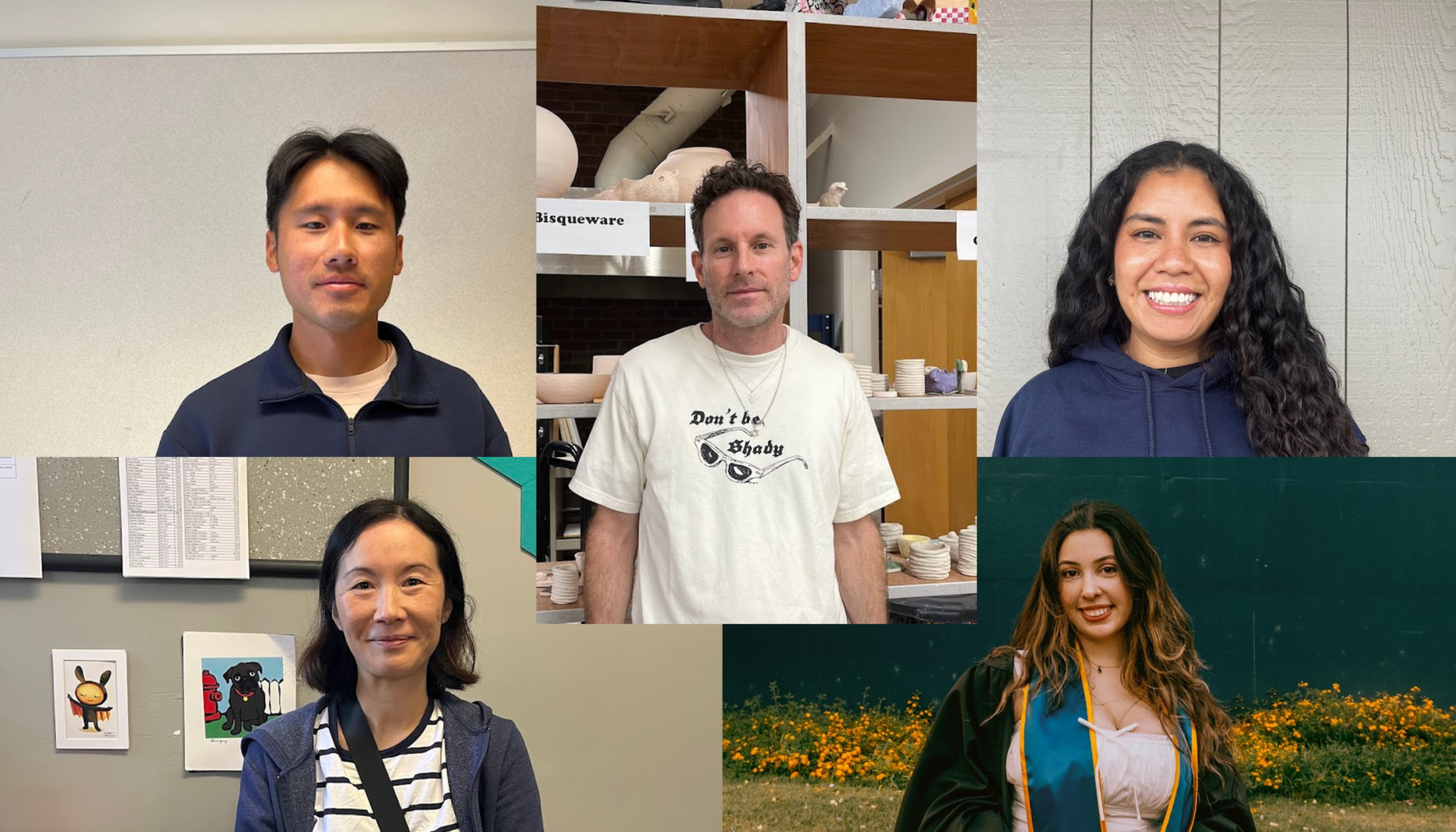
Introducing some of MVHS’ newest staff members


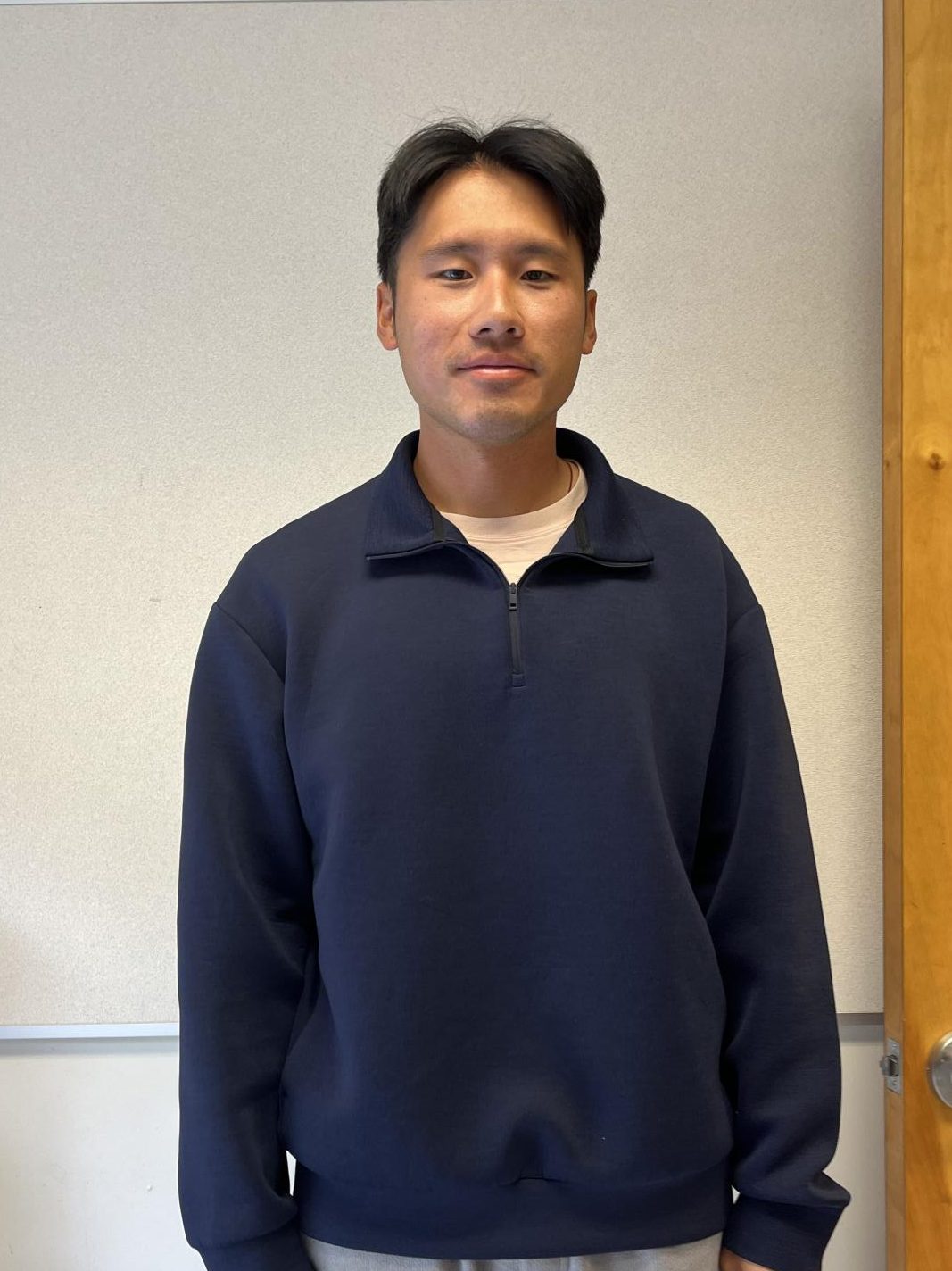
When PE teacher Antonio Jen needed to choose his major in college, he wasn’t sure what he wanted to do. However, his mom suggested he should choose a subject related to sports, as he played many sports in high school, including water polo, baseball and swimming. Jen eventually graduated from the University of Maryland, College Park, with a degree in kinesiology, thinking he would go into physical therapy afterwards. However, when he interned at a clinic, he found it boring. When he moved back to the Bay Area during COVID-19, he found a coaching job at Homestead High School, where he still coaches the water polo and swim teams.
“I was looking for something impactful and rewarding,” Jen said. “Coaching and working with high school students was a lot of fun, and it felt like I was making a change. It felt like I was actually doing something with my life, because I could sort of help some students, in indirect ways, and make their day feel a little bit more fun. I just find the work very rewarding, and being able to talk to my students and see them grow is very gratifying for me.”
Previously, Jen taught at Lynbrook High School, was a student teacher at HHS and currently teaches PE at both Cupertino High School and MVHS. In the 2024-2025 school year, Jen served as a long-term substitute teacher for PE teacher Dasha Plaza, then took over for PE teacher Brian Sullivan, who retired partway through the second semester. After teaching for nearly an entire year, he built connections at MVHS and FUHSD, so when Sullivan’s position opened up for the next year, Jen says, his fellow staff urged him to apply, and he received the job.
“Working in this department has been really fun for me,” Jen said. “Here at MVHS, it feels like I’m being supported in a way where I can experiment, do what I want to do and find my own teaching voice, and that’s made me feel more comfortable here.”
Jen keeps a Post-it note on his laptop with his teaching goals for the school year, some of which include class management — for example, making sure his students are paying attention — and giving his students agency over some of their class activities. However, one goal he specifically emphasizes is intentionality.
“PE is one of those subjects people hate, because it’s like, ‘Why do we need to run? Why do we need to play ultimate Frisbee? This is a dumb game,’” Jen said. “It’s my job to explain why it’s important that maybe you do some running and maybe you do some exercise. It’s good for your health and it creates good habits, but you can also learn things about teamwork. You can learn things about problem-solving. You can learn how to communicate with each other. Just being intentional about how I do that instruction and how I explain it is a goal for me this year to make PE more relatable for the students.”
Ultimately, Jen is excited to have his own cohort of students for an entire year, rather than constantly cycling through different classes, and get to know them better.
“I’m looking forward to being able to see my students grow throughout the whole year and being able to say goodbye to them at the end of the year, knowing we spent the whole year together,” Jen said. “Last year was great, even though I was only with those students for three or four months. But it was just so cool to see them grow and be like, ‘I’ll see you next year,’ and I’m looking forward to that this year as well.”
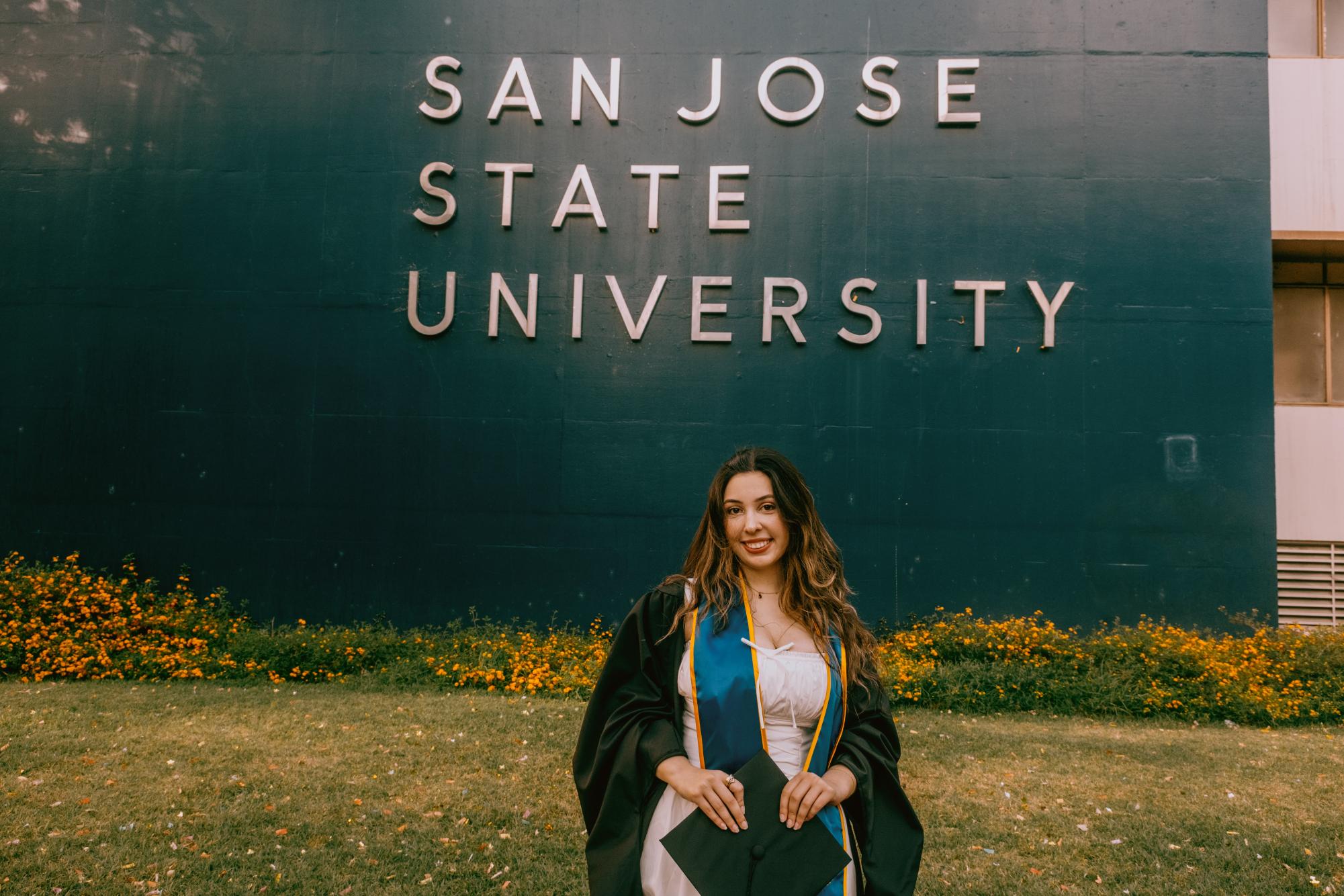
English teacher Isabella Arndt has known she wanted to be a teacher since her junior year of high school, after one of her teachers wrote down a comment on her presentation that she could be a future teacher. Experiences from her childhood guided her towards teaching English.
“I come from a family of immigrants and people learning English around me,” Arndt said. “I always wanted to teach English and be around English, and my cousins and my mom and my dad always asked me to help them write better emails or better posts.”
Arndt grew up in the Bay Area and graduated from San Jose State University with a degree in English education. Her first student teaching job was at Homestead High School under her mentor teacher James Aguirre. When she discovered the job opening for an English teacher at MVHS, she applied almost immediately.
“Teaching at HHS was my first year, so I felt like I was a lot more naive and didn’t know what I was doing,” Arndt said. “Now I feel like I have a little bit more of my sailor legs, and I can actually stand on my two feet and work stuff out better.”
Beyond discovering how she wants to teach, Arndt is looking forward to building strong relationships with her students and cultivating a classroom environment that students will want to visit in the future.
“You guys are so sweet and so nice and so kind and just willing to work with me,” Arndt said. “Being a new teacher needs a lot of patience. I hope my students say that I’m really nice and that I’m very patient with them. My goal for this school year is to make good connections. Having so many of you guys wanting to come back and say hi to me when you’re in college makes me feel like I’m really part of the community. I just hope I can be really entwined with everybody.”
Arndt plans to further establish a sense of community within her classroom through various activities for both her seniors in Myth and Folklore and freshmen in Lit/Writ. She hopes to ensure a memorable, welcoming high school experience for all of her students.
“I’m looking forward to all the holidays,” Arndt said. “I’m excited to do little themed events and things like Halloween. I’m going to do a little fun movie thing with my kids and have fun, and just give you guys that last year of high school experience, and give freshmen that first year of high school experience and make sure they feel good at MVHS.”
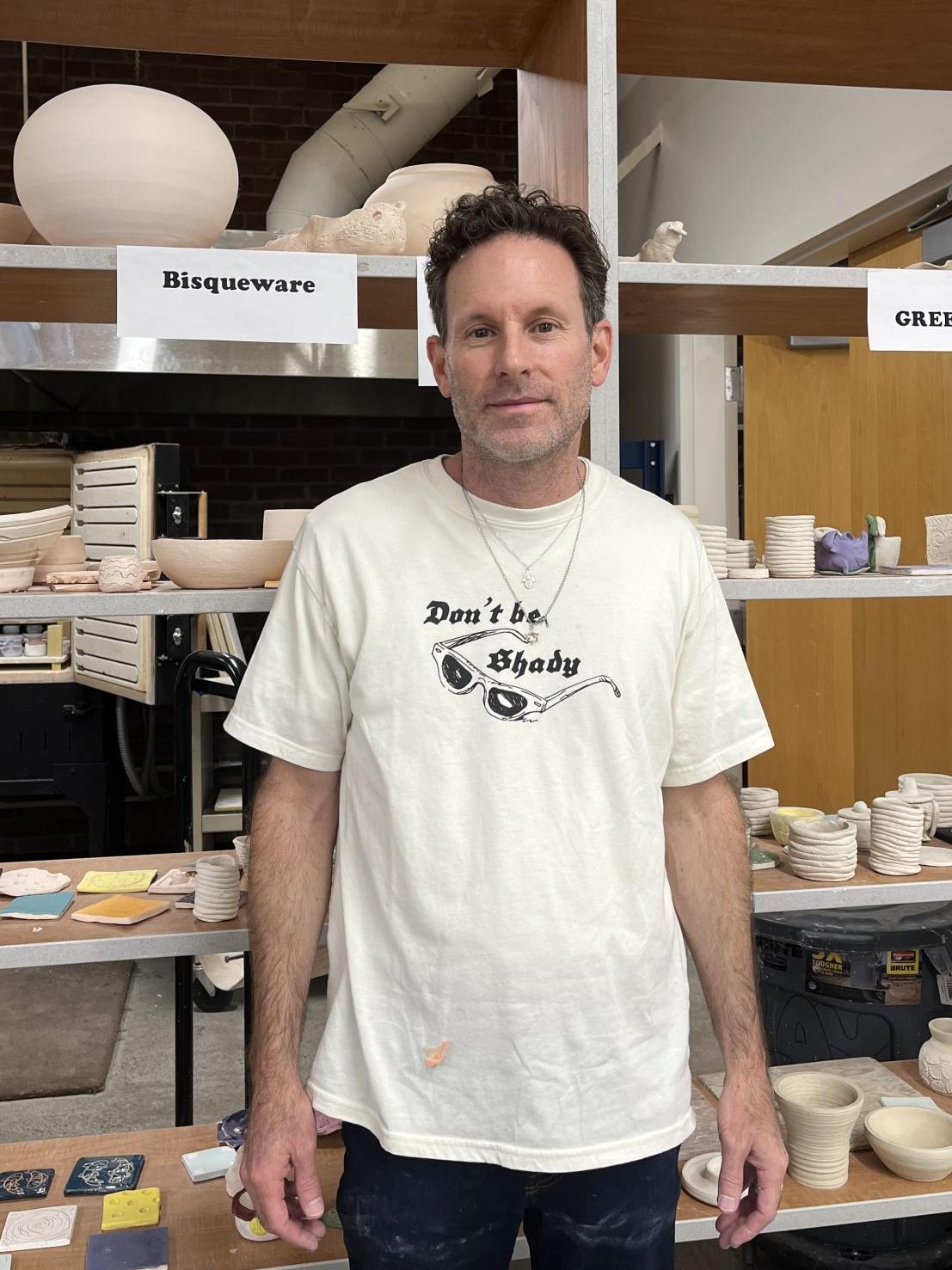
When art teacher David Bigelman started making ceramics as a hobby 30 years ago, he didn’t realize it would eventually become part of his teaching career. Instead, when he and his wife moved to Mendocino County, he became an English teacher, and began teaching English at Fremont High School when they moved back to the Bay Area after 10 years.
However, in 2022, he began teaching ceramics after applying for an opening at FHS. He began teaching 3D sculpture at MVHS in 2024 and now splits his time between the two schools, teaching world literature at FHS and Ceramics, 3D Sculpture and Design, and Photography at MVHS. Despite the many differences between the two courses, Bigelman says his art background informs his teaching style for his English classes.
“In English, we tend to focus on how students are writing, reading and explaining something,” Bigelman said. “In art, there’s more of a project, and you can transfer that kind of idea or concept to English — there’s a higher-level goal, which still could be an essay, but how are you going to get there? How are you building up towards those parts, or a debate, or something like that? With the art, you’re going to create a piece, but there’s all of this other stuff that’s going to happen to make it turn out how you want it to turn out. And how do I put all those pieces together to make it happen?”
As he teaches English on Tuesdays and Thursdays, while Wednesdays and Fridays are his art classes, Bigelman says his only difficult day is Monday, because it requires more of a mental shift as he switches between subjects. He says he enjoys being able to teach at two different schools because of the different experiences, acknowledging the differences between the cultures of MVHS and FHS that mainly stem from the school layouts.
“At MVHS, in my art department, we’re right here all together,” Bigelman said. “But then we’re like, ‘This is our spot, and this is where we’re at,’ so we don’t have as much interaction with other staff members. It just lends itself to people being in their own little spaces more. At FHS, there are more big buildings, so you’re more tightly packed. I feel like there’s more staff interaction at Fremont.”
He also says that when he taught Ceramics and 3D Sculpture and Design at FHS, he taught one of seven periods and mostly followed the other teachers’ curriculum. However, as Bigelman is the only ceramics teacher at MVHS, he has the freedom to create his own curriculum. For this year’s curriculum, he combined successful projects from FHS and talked to the MVHS art department head, Brian Chow, to understand where they wanted to go with the ceramics department. Eventually, he also wants to see what projects other schools, like LHS, are creating, tying into one of his favorite parts of teaching: the learning and exploration.
“New ideas and thoughts come from everywhere all the time,” Bigelman said. “Students, especially, always ask you difficult questions. When you’re like, ‘Oh, I don’t even know,’ you have to try to figure things out. You’re always learning and trying new things.”
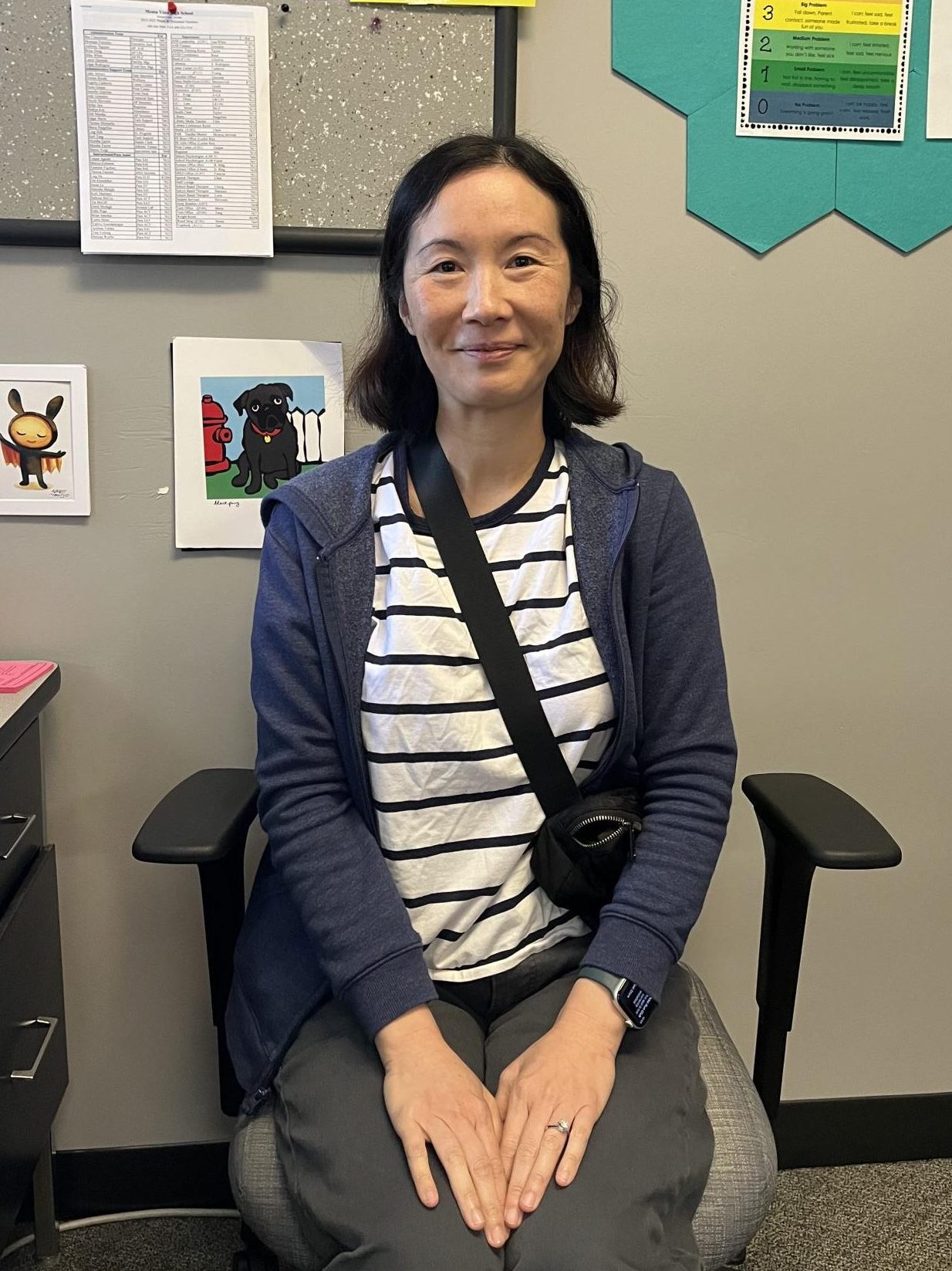
Speech and language pathologist Winnie Chau didn’t always work with children. In fact, her career began as a corporate attorney, dealing with long hours and comprehensive cases. However, when comparing her experiences with those of her husband, who is a teacher, Chau noted that she was looking for a change.
“I was just comparing our quality of life and also the work that we do, and I feel like his work was very meaningful,” Chau said. “I wanted to change from corporate to becoming a therapist to work with kids. I explored different kinds of therapy that a therapist could do, and I found speech and language to be most interesting, given my background of learning English as a second language. I figured if I had to work a lot of hours, it would be nice to have an impact on people’s lives.”
Chau went back to graduate school to earn her master’s in speech and language pathology. She began her work in speech pathology 12 years ago at Sunnyvale School District, one of the elementary school districts that feed into FUHSD. Working with other speech pathologists allowed her to identify a job opening at MVHS. Curious about the transition between working with elementary-aged children and high schoolers, Chau applied for and took the position.
As a speech pathologist, she works with a wide variety of children: some with stutters, others with developmental disabilities that hinder communication skills and others who have trouble pronouncing specific sounds. At MVHS, she has found that with high schoolers, she often works with teaching students how to advocate for themselves, with her own experiences as an English language learner influencing the way she works.
“I think being an English language learner makes me more empathetic, because I know how hard it can be to learn something new,” Chau said. “The students here are wonderful. They are kind. They work super hard, and the staff here are very supportive. High schoolers are more independent. You can communicate with them about current events and popular culture, which you can’t always do with little kids.”
In the next few months, Chau is looking forward to watching the students she works with grow and develop, noting that she hopes to build deeper connections and form stronger relationships.
“I’m looking forward to just seeing how the kids progress year after year,” Chau said. “I get to work with kids for a long time, like for four years in a high school setting. I love getting to know the families and the students that I work with, and building rapport with them.”
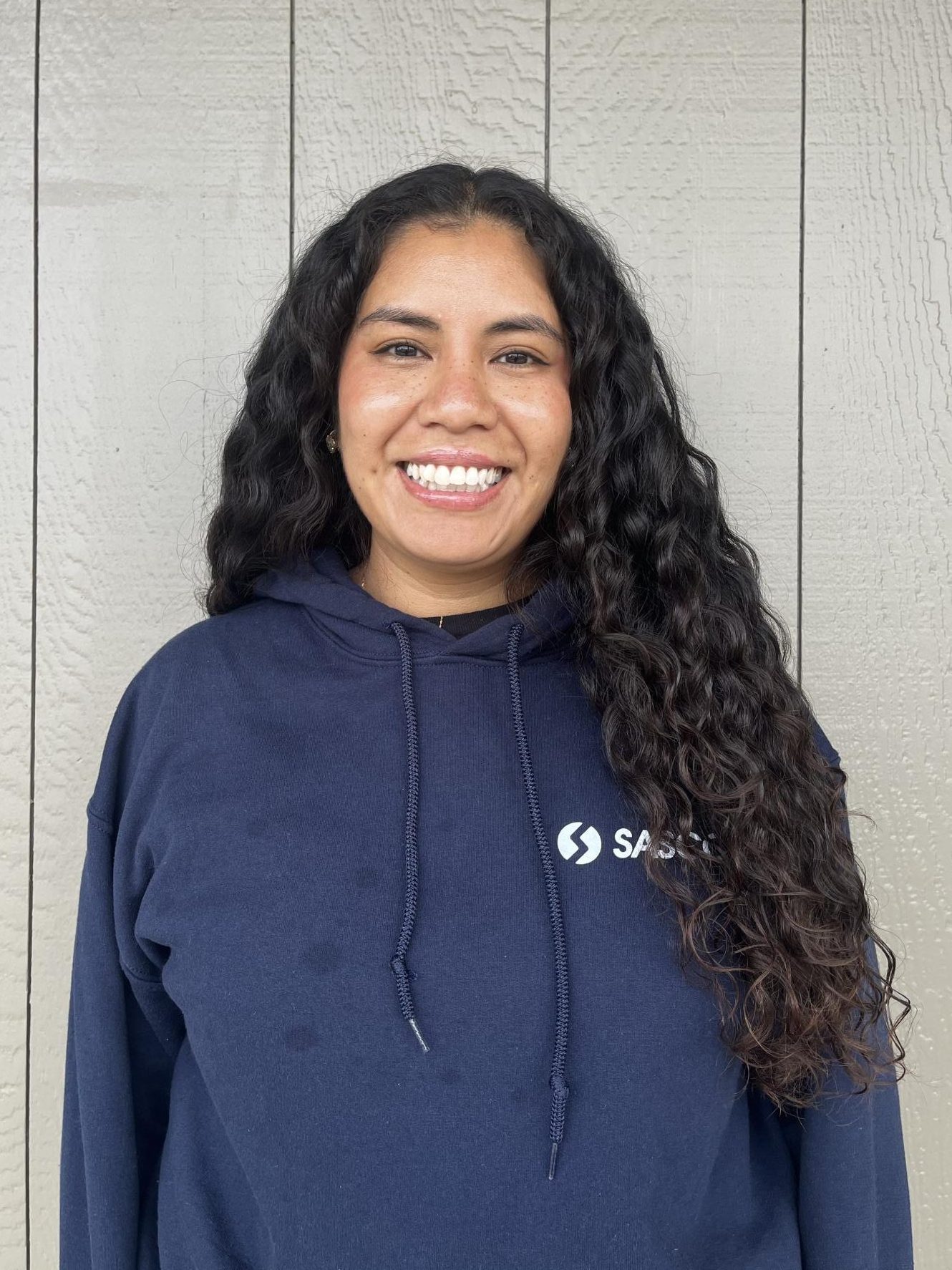
On the first day of school, paraeducator Kelli Martinez felt like one of the freshmen. Holding the map of the campus and the bell schedule and searching for her classes, Martinez describes the experience of starting at a new school as nerve-wracking and humbling.
Previously, Martinez worked as a paraeducator in Saratoga Union School District for 10 years — seven at a middle school, then three at an elementary school. However, she says working at a high school has always been her end goal. Although she had accepted a job at Palo Alto High School earlier in the summer, when she saw a position open up at MVHS near the end of the summer, she decided to apply, as it was closer to her home.
“I always wanted to experience working with high school students,” Martinez said. “It’s one of your most formative years, and being able to be a support system and cheerleader for students in high school has just always been one of my passions.”
Martinez decided to become a paraeducator after she taught art in summer classes and had a few students she felt would be able to thrive with the right support system. Through her training and experience, she says she has learned that all students need a nurturing, positive and empathetic environment, regardless of age.
“I thought you guys were just independent, had it all going, and maybe didn’t want the support,” Martinez said. “But all the students that I’ve met so far have been so kind, so sweet and just welcoming and really open to receiving support. And I think that’s huge, because I know when I was in high school, I was really shy, and I don’t know if I would have been as welcoming.”
Martinez says that one of the most significant differences between working with high school students and elementary and middle schoolers is the maturity level, and she likes being able to have deeper conversations with high school students. As she continues to build more connections with the students and staff at MVHS, Martinez emphasizes how thankful she is to be part of the community.
“I spent 10 years in one district, so coming to a new school with completely new staff and students was out of my comfort zone,” Martinez said. “But I’ve met so many amazing staff members and students that it feels like home already, even though it’s only been a couple of months.”