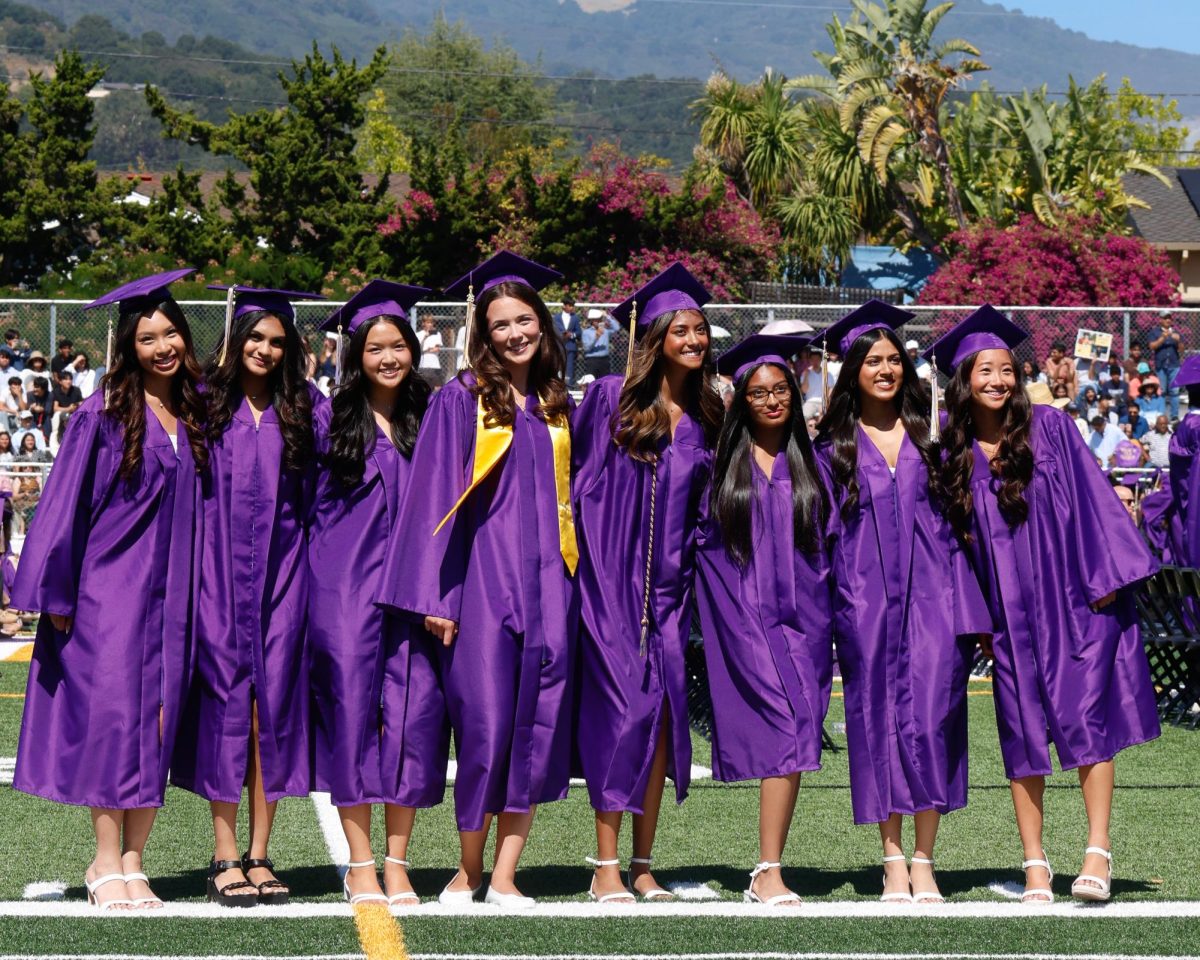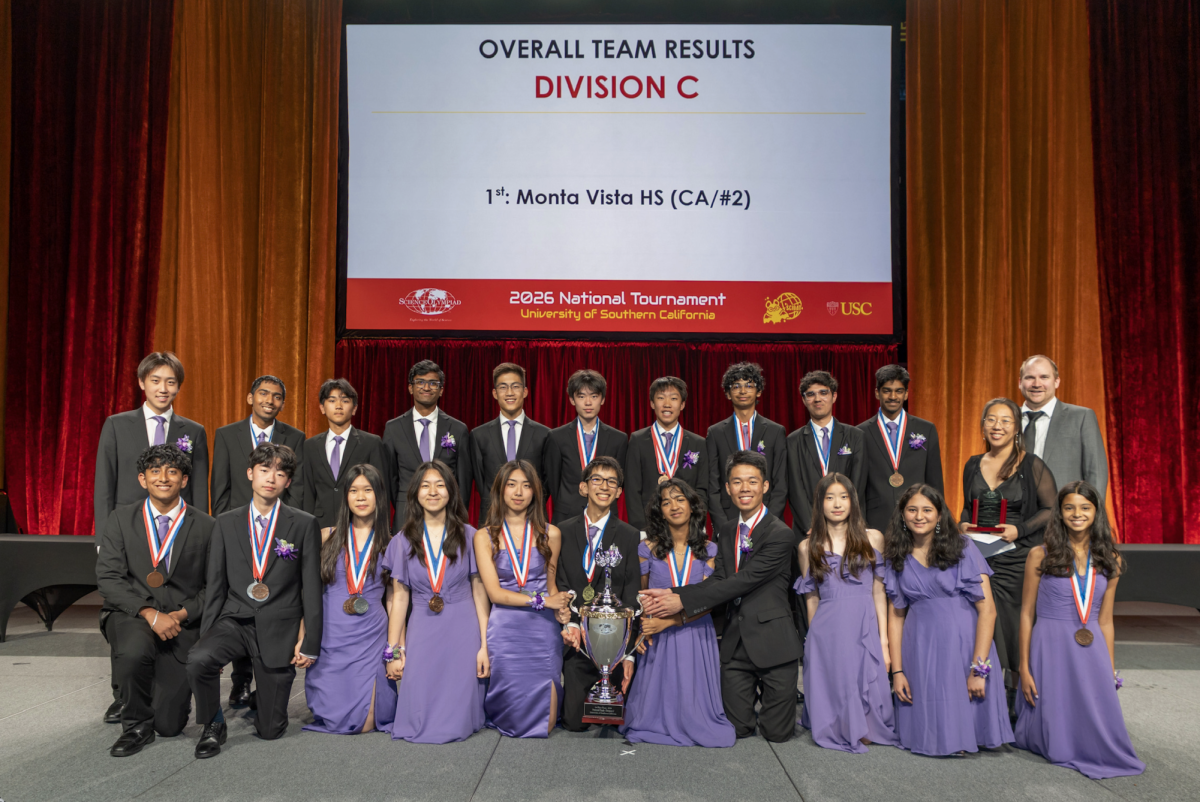



Based on 2022-2024 data, U.S. News has ranked MVHS #129 nationally. It is also #15 in California, #3 in the San Jose Metro Area and #10 in STEM high schools — schools with the highest scores on math and science standardized tests — nationally. MVHS has also achieved a 99% graduation rate, which, according to U.S. News, is well above the state median of 80%.
In addition to a high graduation rate, MVHS has achieved an 81.6 in the U.S. News’ College Readiness Index, which is based on subject proficiency and percentile score on standardized tests. Principal Ben Clausnitzer credits the school’s performance to both policy and culture: equitable grading systems such as retake and reduced homework policies as well as a bond between students and teachers that build a strong sense of belonging at MVHS.
“I believe the graduation rate at Monta Vista is a good one, and we’re proud of that,” Clausnitzer said. “It’s really the hard work that our students and our staff that are engaged here on our campus like building positive relationships, between, in particular, our teachers in the classroom and our students. It’s something we’ve been working on since 2018 and we’ve been able to see some movement in our end-of-year student survey, which has been wonderful to see.”
Although the recognition is derived from the efforts of students and staff, according to Clausnitzer, the rankings do not reflect MVHS’ identity, revealing only some aspects of MVHS. Moreover, some staff view national rankings with skepticism. College and Career Advisor Rogelio Calderon argues that the numbers reflect test scores and graduation rates but miss critical aspects of school life, including academic pressure and the competitive nature of MVHS, both detrimental to students’ mental health. Calderon added that rankings matter little beyond statistics, with colleges evaluating students based on their achievements and school context, not their school’s position on a national list.
“We put too much weight on rankings,” Calderon said. “What matters the most is not the school, but what you do with your time while you’re there. The same goes for colleges. You hear, and you often might think that to get a certain kind of job, you need to go to this school. But what you don’t hear is that there are people on the opposite end — people who go to schools that maybe aren’t as well known — and are as successful as, if not more than, people from elite universities.”
Looking ahead, Clausnitzer believes MVHS will continue to focus on long-term growth, specifically through the Western Association of Schools and Colleges accreditation cycle, which has brought resources like the wellness room and advisory periods to MVHS. Much of MVHS’ existing development has come from the WASC cycle, which renews a development plan for MVHS every six years. With this plan, Clausnitzer hopes for even more improvements to MVHS’ academics and culture in the future.
“MV will always have things to improve on,” Clausnitzer said. “We have some pretty incredible students who are willing to ask questions, to change strategies and to get help when needed. They’re willing to put in hard work and effort. All of those things are huge advantages in terms of growth mindset. Our staff are also willing to think about how they meet the needs of our students, which are ever changing.”