


THE NEARLY NEW SHOP
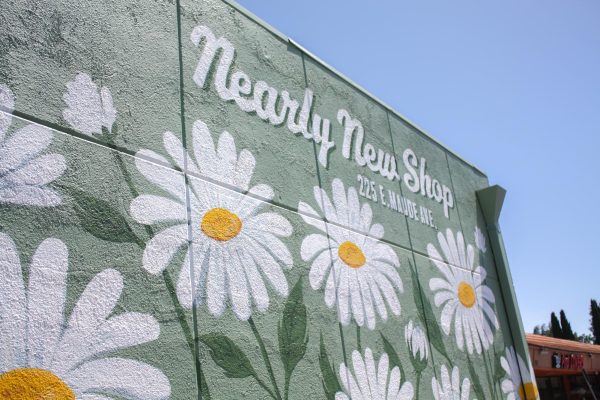
Covered in vibrant, painted daisies and a cozy shade of pale green, the Nearly New Shop is both intriguing and inviting. The volunteer-run nonprofit first opened for business in 1958 in Sunnyvale before moving to Palo Alto in 1978 and back to the Sunnyvale location in 1990. Established as part of the Philanthropic Educational Organization in San Jose, the store is dedicated towards supporting women in achieving their educational goals by providing annual scholarships for local women. Since 2021, the store has raised $197,550 for scholarships that have gone to 29 women pursuing masters, doctorates, bachelors and any other type of higher education. Store Manager Teresa London explains that the entire concept of thrifting and funding scholarships is especially important to the Nearly New Shop to continue the P.E.O. goal of supporting women and the local community.
“We’re so much cheaper than any other thrift stores and areas, so we do a really good service for the community and we’re raising money at the same time,” London said. “Right now with ever increasing prices and exploitation of the environment, it’s all net good. We’re good for the community and we’re good for educating women. Most of our volunteers are retired, and I’m definitely feeling this as I get older, where society just pushes out women as they get older. We really give women here a chance to shine and a purpose and something to feel good about.”
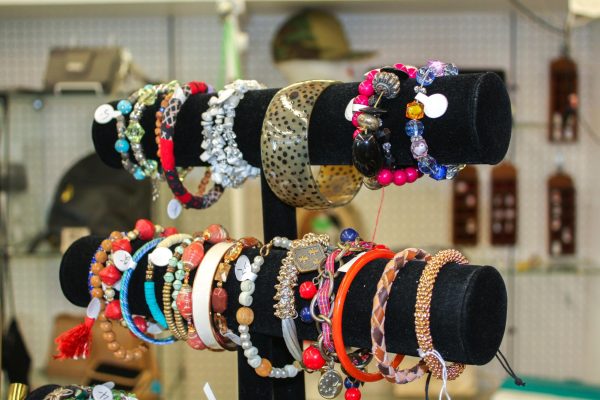
London also describes the store as “the best little thrift store in the Bay Area,” because they only take high-quality items. They explain that the Nearly New Shop is especially particular and takes great care in sorting and displaying items. By prioritizing organization and cleanliness, the store can be more thorough in cycling through merchandise, establishing a strong rapport with both customers and donors. They emphasize that these relationships are important to maintain so that donors know that the items they give will be cared for and that customers can access high quality items.
“This is one of the most expensive places in the world to live, and not everybody’s making a whole lot,” London said. “So the store really gives people who aren’t in that grind industry a chance to get a good deal and get the things they need. We sell things to all sorts of people: people who are doing it for fashion, but also people who just need the fair necessities.”
THE SUNNYVALE DISCOVERY SHOP
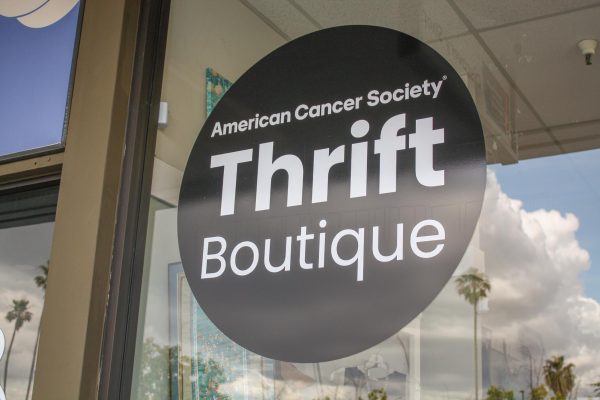
Part of a larger chain of Discovery Shops across the nation, the Sunnyvale Discovery Shop is a nonprofit that is part of the American Cancer Society with the sole purpose of generating funds for cancer research and supporting cancer patients. Furthermore, the store partners with cancer research organizations to find homes for items that cannot be sold in the store. Manager Maria Alcazar explains that this targeted focus sets the Sunnyvale Discovery Shop apart from most other thrifts, as it allows people to directly donate to cancer research through an action as simple as shopping
“For other thrift stores, the funds that they generate go to themselves,” Alcazar said. “Everything that we generate in terms of monetary value goes toward cancer research. There’s a bigger profit and a bigger view to everything, so you don’t necessarily have to directly donate to cancer, because if you shop with us you’re already making a difference.”
While generating support for cancer research is a huge part of the organization, Alcazar explains that another major goal of the Sunnyvale Discovery Shop is helping the environment by promoting sustainable shopping. Considering current-day fast fashion trends, Alcazar emphasizes being mindful of environmental impact when shopping. She notes that with the Bay Area’s high population, if more people are able to realize the positives associated with resale clothing the Bay Area community can improve their waste as a whole.
“In terms of the media, it’s obviously promoting a non-sustainable way of life for clothes,” Alcazar said. “It’s like $300 for a shirt that maybe people are going to wear once versus using that toward cancer research. You could get a couple outfits with that money here, at least five or six or even more.”
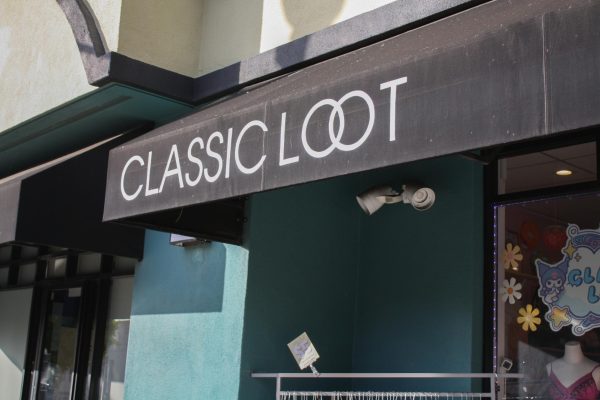
CLASSIC LOOT
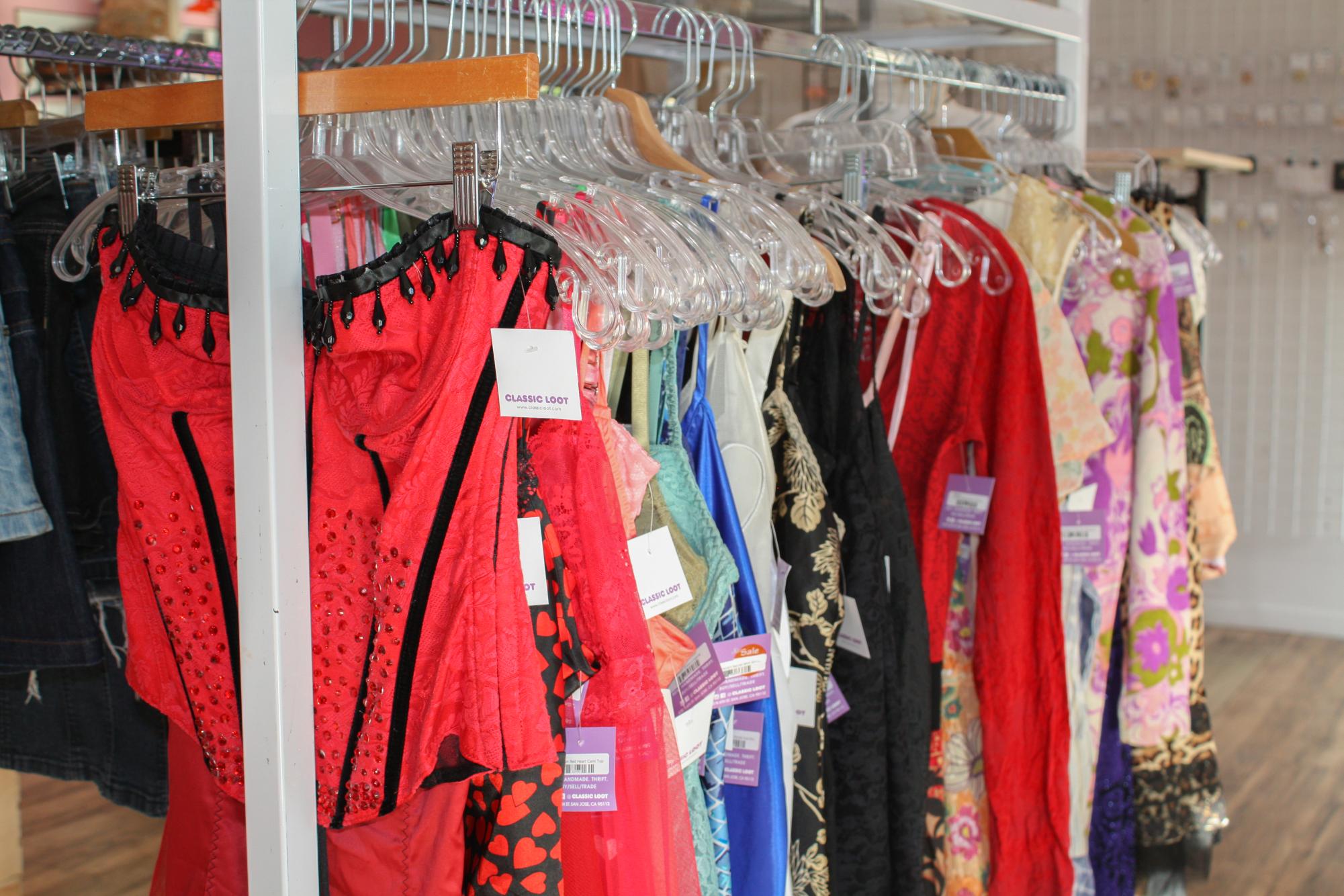
When Classic Loot’s CEO and founder Tam Tran first opened the store in 2013, she says her motivation came from a place of fear. Having previously worked as a graphic designer, Tran had already been thrifting for fun while applying for jobs in 2012, but struggled with a huge fear of interviews. To avoid this, Tran began her own second-hand shop, fully online at the time, but transitioned to a mobile boutique that went to festivals and big street events shortly after. However, with encouragement from the community, Classic Loot ultimately moved to its permanent location in San Jose in 2017.
Tran is primarily tasked with sourcing Classic Loot’s second-hand items, but also explains that the establishment has an in-store buy-sell-trade program. This allows buyers to bring curated items into the store to sell or trade for profit or new clothes. She notes that this program is important for stocking high-quality prints and unique designs, as well as quality materials and conditions. Connecting to the community is vital to Classic Loot. Furthermore, Tran explains that in order to maintain these relationships, the store hosts a variety of local vendors in-store, allowing many local artisans to sell their goods in Classic Loot. Tran says this is a fundamental aspect of second-hand stores, as having a diverse, community-based collection allows shoppers to explore diverse styles and support each other.
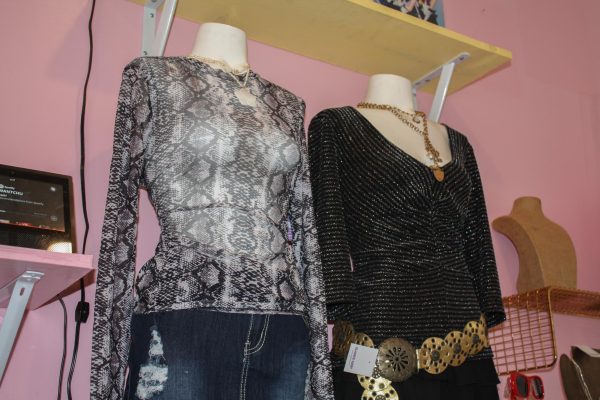
“In general, second-hand stores stand out because of how unique some of the items are,” Tran said. “We try to strive for really unique and fun items that, if you were to wear it, the person next to you wouldn’t have the same item on. What sets us apart from other thrift stores is also our curation and especially our customer service, because we are very community-driven.”
Tran also highlights the importance of thrift to the Bay Area specifically, as she finds it to be a pivotal cornerstone of the Bay’s unique melting pot of fashion. When considering the high cost of living in the Bay, she notes that thrifting is especially helpful to stay both cheap and sustainable. As the popularity of thrifting continues to grow globally, Tran finds that it offers the Bay an opportunity to tangibly express its unique diversity.
“Nationwide, maybe even worldwide, the Bay is known to be a little different,” Tran said. “We kind of go off of our own beat, so showing your creativity and individuality is something I feel like it is just known for. When I first started, everyone thought second-hand was kind of gross and I got a lot of remarks. But now it’s so mainstream that it’s become the new thing to be that girl, going thrifting and finding that cool piece, and I think that’s just what the Bay is about.”