



Leading up to the Milano-Cortina Olympics last month, all eyes were on 41-year-old Lindsey Vonn as she attempted to become the oldest alpine ski racer to earn an Olympic medal. As she prepared for her downhill run, Vonn revealed that she had completely re-ruptured her left anterior cruciate ligament — the same devastating injury that had also kept her out of the 2014 Sochi Olympics — less than a week before the competition. Surprisingly, Vonn decided to still compete with the torn ACL, but ended up suffering an intense crash 13 seconds into her Cortina run that had her airlifted off the slopes.
Ligaments like the ACL are crucial for joint stability and movement, so for high-caliber athletes like Vonn, tears can end their season or even career. But the frequency of pediatric tear injuries has also been on the rise over the past 20 years, burdening student athletes with often excruciating rehabilitation processes.
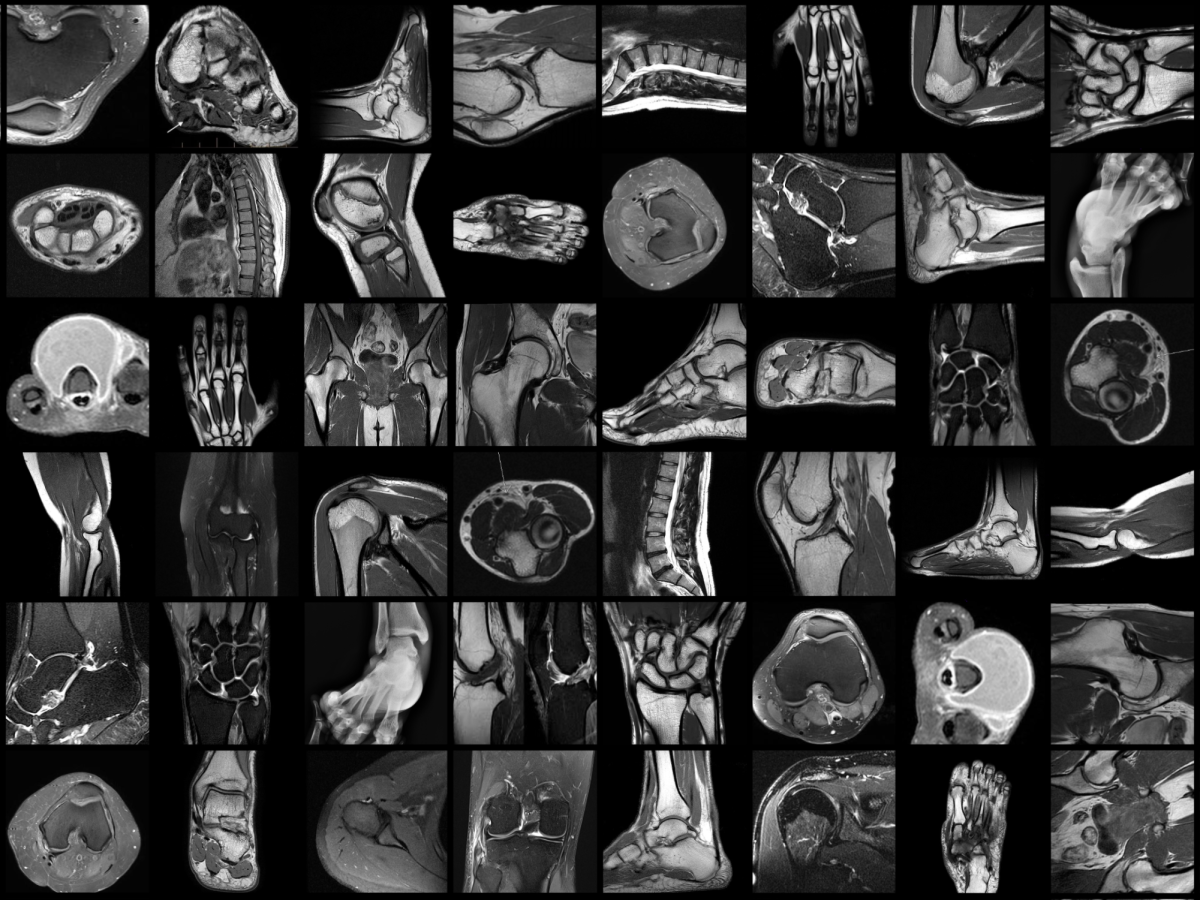
Junior Hanaa Mohamed experienced an ACL tear — the same injury as Vonn — at the beginning of 2025, when she was pushed by another player in a soccer game. Mohamed says that although she felt a popping sensation, the immediate pain was tolerable, so she wasn’t expecting an MRI to reveal that her ACL was torn. After her initial injury in January 2025, she spent around two months living without a functional ACL before undergoing reconstructive surgery in March and beginning her recovery.
“It was difficult for me because the pain was very bad post-operation,” Mohamed said. “I couldn’t even focus in class, and I’d be in the back just crying from the pain. When I went back, my teachers were expecting me to have already done all of my homework and be prepared for the tests that I missed. People can understand the difficulty of sickness more because everybody’s been sick, but when you’re injured, everything other than that part of your body seems functional, so people don’t realize the mental toll that it takes on you.”
According to Athletic Trainer Myesha Taylor, the recovery process for ACL tears is notoriously arduous. Because the knee is anatomically complex, the steps of replacement surgery, recovery and regaining functionality each take months. Even a year after surgery, Mohamed still hasn’t regained full range of motion.
“One thing that I had to get out of my head was putting a timeline to recovery,” Mohamed said. “It’s going to be different for everybody. I had to keep telling myself that I would be able to function normally again. But it leads to these moments where I realize, ‘Oh, I can lift my leg!’ or ‘I can start hiking again, I can start running,’ and those are the moments that I get to celebrate.”
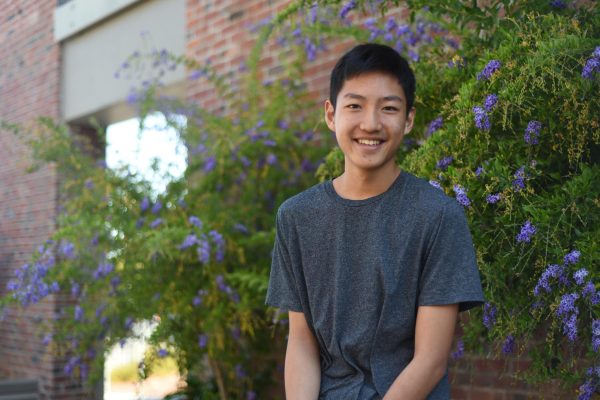
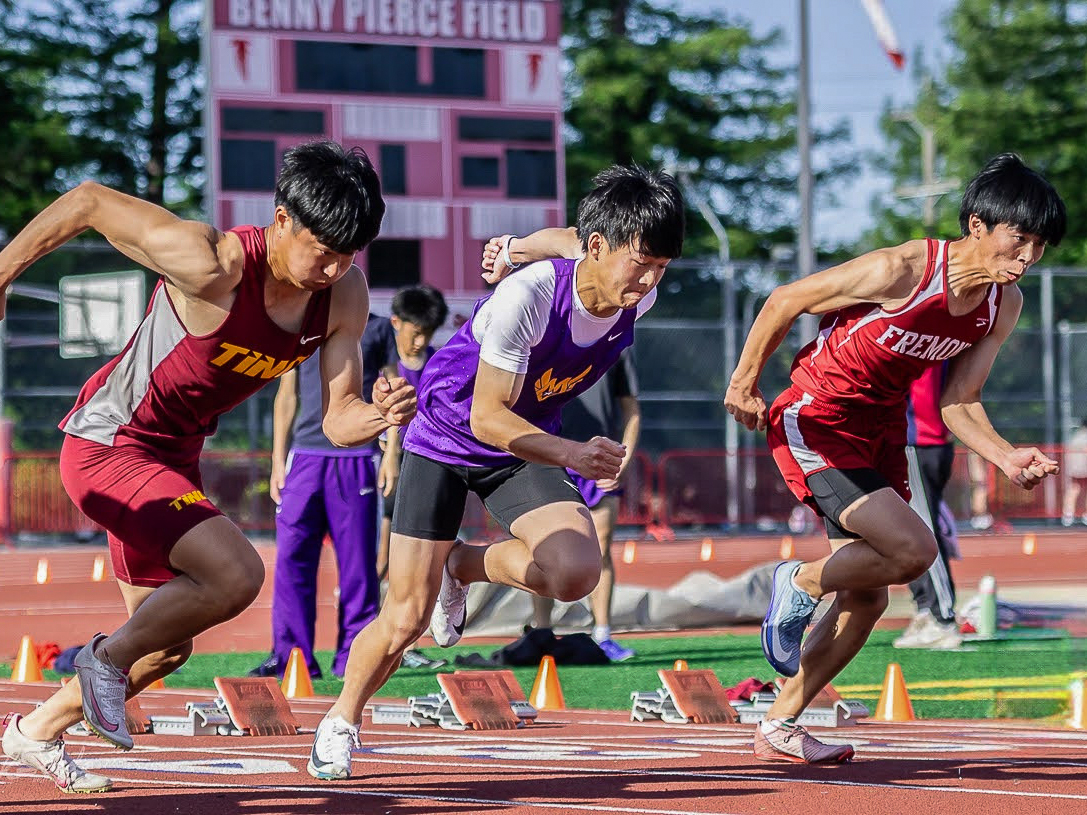
Senior Agasthya Kothuri was competing in long jump during the track and field season last year when he felt a pop that left him unable to walk. After being carried to the bleachers by a coach, Kothuri later discovered that he had suffered a grade two hamstring tear, and although it was less severe than an ACL tear and didn’t require surgery, it would take around six months to recover from. Until summer was over, Kothuri was sidelined while the rest of his team competed at track meets, something he recalls being especially mentally challenging.
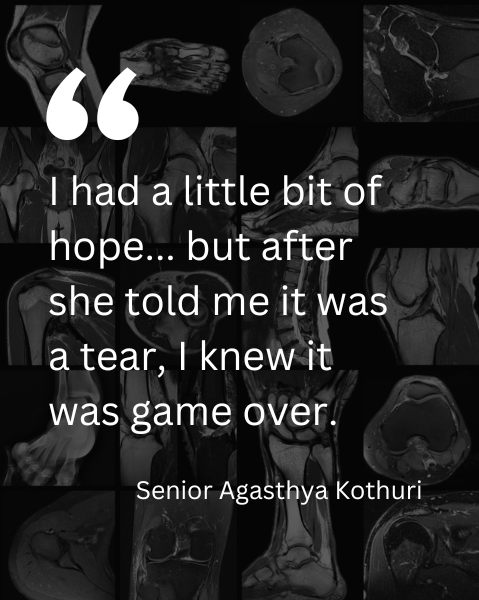
“I had a little bit of hope that I could get back into the season,” Kothuri said. “But after she told me it was a tear, I knew it was game over. I was mad at myself, because junior year is when you’re supposed to get good marks for athletics, especially for college. I was like, ‘Damn, there’s no way I did that to myself.’ It just happened, and my season was gone.”
For Kothuri, the risk of severe injury didn’t seem fully salient before he tore his hamstring. Because of this, he would sometimes skip preventative measures such as warming up before less important competitions. Since his injury, he says that he now treats these steps as essential to keeping his body healthy.
However, even with preventative training, not all athletes are equally susceptible to ligament and muscle tears. Pubescent female athletes are three to six times as likely as their male counterparts to sustain ACL tears. This increased susceptibility is due to physiological differences, namely that women experience greater quadricep strain, serum relaxin and estrogen levels causing ligament laxity and anatomically smaller ACL notches than men. Recent years have seen an influx of ACL tears in elite female athletes, including Vonn, soccer player Tierna Davidson and basketball players Juju Watkins and Azzi Fudd among others.
Taylor says that female athletes’ increased risk for tears is exacerbated by the fact that they’re not pushed to pursue resistance training. Taylor explains that conditioning, including strength training and proprioceptive exercises, can help reduce risk of injuries like Mohamed’s and Kothuri’s.
“In high school athletes, weightlifting for girls is unfortunately not highly encouraged, even though their physical activity is comparable to boys’,” Taylor said. “Ligaments normally tear towards the end of a competition when your muscles are fatigued. If you have more muscle mass, you can last longer and be safer.”
According to Taylor, rehabilitated athletes, even if they’re mostly physically recovered, have mental blocks that put them at risk for reinjury. For example, athletes are often hesitant to execute the risky movements like pivots that led to their initial injuries. Because of this, Taylor generally doesn’t clear athletes who aren’t confident in their mobility following recovery.
“If you don’t have the confidence, you don’t belong in sports,” Taylor said. “You can’t get on the football field timid because you will get knocked out. You can’t get on the soccer field timid because athletes are going to blow by you. My number one goal is to do things they’re afraid to do in a controlled environment. Without that, they’re definitely going to get injured again.”
Mohamed agrees that the largest factor in successful recovery is determination to return. While she currently hasn’t returned to soccer or other competitive athletics, she remains committed to regaining her range of motion through gym workouts and strengthening. Looking back on her recovery, Mohamed is grateful that she had a strong support system that gave her resilience while she was struggling and helped her stay strong mentally.
“One thing that really helped me was having people that went through the same experience as me,” Mohamed said. “I really appreciated one of my friends telling me, ‘It’s OK if you can’t focus on studying right now, and you should just take the time to do something that’ll ease your mind instead.’ Some of my closest friends now are people that have been through this same experience with me. Now, even when I see somebody on the street with that cast, I always want to tell them to reach out to me if they ever need anything.”