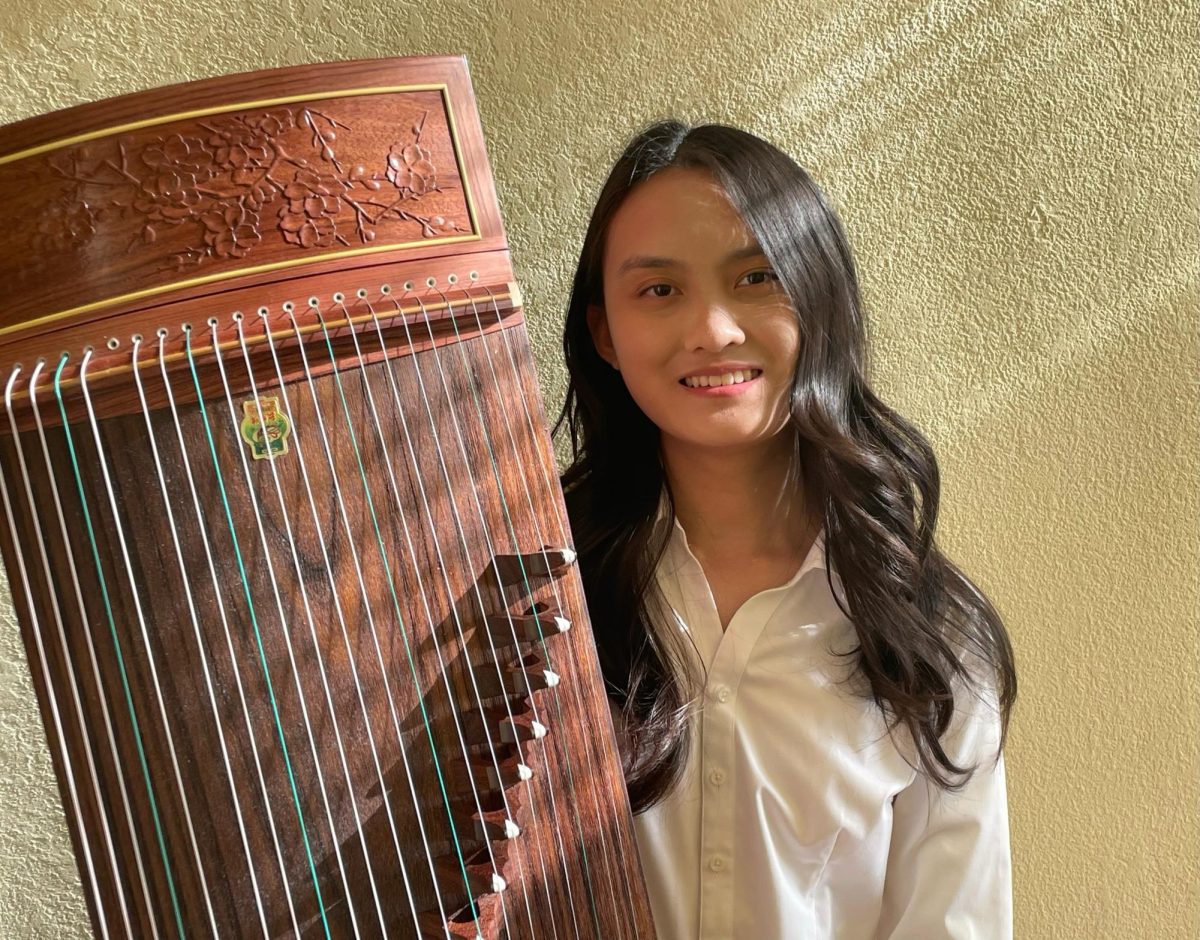



Two years ago, the car came to a halt as current junior Jasmine Zhao wondered why she was being dropped off in front of Spring Light Academy, a private counseling office located in Cupertino. She trudged in reluctantly and sat down face-to-face with someone she would soon become very familiar with over the course of her high school journey. Zhao began telling her newly-appointed private college counselor, Song Juan, about her accomplishments and extracurricular activities, feeling embarrassed when she came to an abrupt stop after only listing a few activities. However, over multiple monthly sessions, Juan helped her develop new interests and plan out extracurriculars, all while ensuring that she didn’t feel overwhelmed.
Zhao notes that having a counselor who is both readily available and involved in her everyday life has allowed her school and extracurricular activities to be more structured and well-balanced. Furthermore, by understanding what specific parts of her profile she needs to work on, she has also been able to use this information to expand her interests. She explains that with constant communication through email and monthly meetings, she has been able to keep track of her strengths and weaknesses. With that, she has learned to be more proactive.
“My counselor constructed a document with all of my grades, standardized test scores, achievements and other activities,” Zhao said. “As we looked at the list, she noticed that the competition category lacked depth, so she recommended applying and competing in more art competitions to fill up that category.”
Senior consulting manager at FLEX College Prep Duncan De Caire believes that a clear, well-thought-out plan for each student’s future is crucial, whether that be finding better-suited activities or focusing on improving their current ones. By doing this, students can begin to create their own unique story, which allows them to stand out to colleges. However, De Caire adds that even if a student successfully builds a strong profile with solid grades and essays, it does not result in a guaranteed admission to their dream school, though it raises their chances as much as possible.
“It’s about building a central theme or story in a student’s profile, and you look to develop that through various extracurriculars, while also talking to them about it and making sure they have the full picture of understanding themselves,” De Caire said. “Once that happens, it’s also important that students also add on something niche or unique or personal, that adds to their main kind of story.”
De Caire further explains that as a counselor, there is more than just helping students with developing their profiles, but there’s also  an aspect of building a long-term relationship with them and acting as a trusted adult.
“There’s direct obvious things like recommending courses, extracurriculars, volunteering, things like that, but there’s also a softer part of it. For example, helping people find direction, or come up with ideas for their future,” said De Caire. “Even in some cases, there’s kids with different levels of maturity, or even dealing with mental health struggles, and helping them overcome those challenges is also a part.”
Although 83% of US high schools offer public counseling, many students still seek further advice. According to a nationwide survey 26% of students have a private counselor, compared to a survey of 94 MVHS students, where nearly half of the students report having private counselors. This higher rate of students with private counselors stems from the competitive MVHS environment and high income in the Cupertino area, with MVHS being ranked as the 15th best high school in California according to state-testing, and the median income in Cupertino being $199,778 in 2021, compared to the nationwide average of $70,784 in the same year.
Zhao notes that in addition to her private college counselor, she also utilized her school counselor at MVHS, Clay Stiver, to discuss her course enrollment options. However, she explains that due to the difficulty in arranging an available time to meet with Stiver compared with Juan, she has slowly stopped meeting him as much. Even more, Zhao says that her private counselor is often more focused on actively helping her pursue her extracurricular activities such as her passion for art, while MVHS counselors tend to be more focused on helping with school activities, specifically helping students understand what courses suit them best.
MVHS counselor Sylvia Lam adds that although MVHS counselors want to draw out the potential within a student, they also always make sure that they do not push the students past their limit. She conveys that by not feeling overextended, students can consistently maintain their physical and emotional well-being, allowing them to have an overall stronger application by the time they have completed their four years of high school.
“It’s important to have balance in your schedule, and to be able to maintain the different aspects of your life,” Lam said. “Having balance in everything that you do, and being able to understand your limits are just overall life skills that we want you to be able to have. So being in high school, the academics are one piece, the college planning is another one piece.”
Both De Caire and Lam customize their counseling approach to students based on their age. By doing it this way, they can better tailor their advice in a way that is actually useful for the students at that time. Specifically, Lam tries to allow the student to explore their interests early, so that they can properly build a plan on how they can make those interests become activities later on.
“The main focus for ninth and tenth graders is being able to help them feel comfortable with who they are and what their interests are,” Lam said. “And then towards 10th, to the bulk of 11th, really is about honing down on what those interests are, and how you can make those interests come alive. Because at the end of the day, colleges are not asking for a laundry list of activities; they want to see you invested in maybe one or two things, and to really focus on your time over the course of the four years. So being able to hone in on those interests in the upper grade levels is really important.”
Zhao says that overall, both her private and school college counselor helped her understand the college application process in detail, while also making her think more carefully about the classes she signs up for. She believes that this allowed her to take classes that were more relevant to her major, thus building a stronger application. However, Zhao adds that her private and school college counselors differ in their advice.
“The counselors have a lot of knowledge about the system,” Zhao said. “But the main difference is their advice. My private counselor is more concerned about my results, and pushes me to go really hard, whereas my school counselor cares a lot about mental health.”
De Caire shares that oftentimes when he sees his own students produce positive results through college counseling, he sees the students develop maturity and become productive members of society. He feels that college counseling, in part, is helping students realize and cultivate their interests, allowing them to create an impact.
“College counseling is something where you can at least feel like you’re having some impact on the world,” De Caire said. “Because when I was in high school, I didn’t do any nonprofits or founding clubs or things like that. But by college counseling, I’ve helped hundreds of those things start or grow.”