

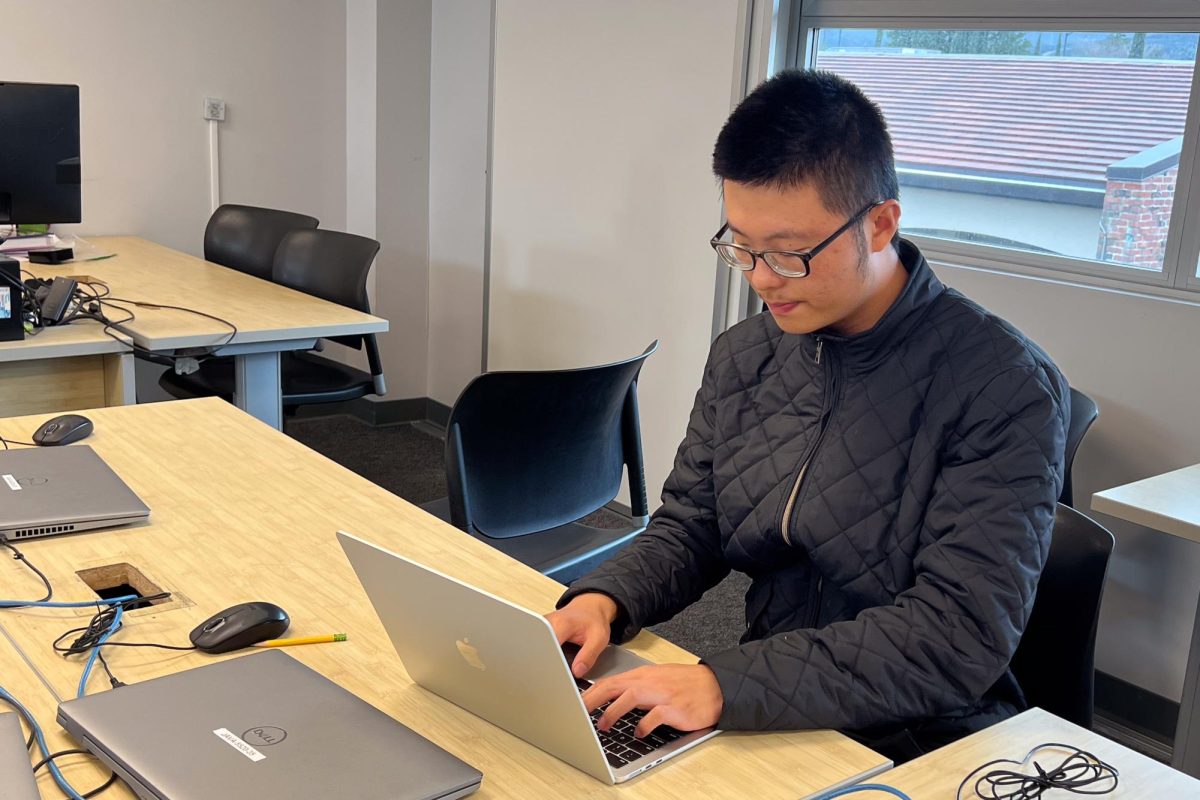
When sophomore Jason He started using LinkedIn in November 2025, his goal was simply to connect with other MVHS students. Within weeks, he started building a diverse network, with young founders from across the world reaching out to him about their projects. The interactions felt different from when he used Instagram or Twitter, where people just had opinions but were never actually building anything. Now, he logs into LinkedIn five times per day, scheduling virtual meetings or “coffee chats” with people he meets and continuing to build out his network and work on different projects.
LinkedIn is a professional networking platform where users can create profiles listing their work experience, education and skills. Launched in 2003, the app allows users to post content, message, build communities, seek jobs and meet new people digitally. Although the app is mostly used by adults, high school students are still permitted to create accounts.
Initially, He started posting to spread awareness about UtilFlow, an AI document summarizer app that he founded and works as a solo developer on. According to He, his daily routine includes posting and interacting with content and scheduling in-person or online coffee chats with startup founders and other app developers. During these chats, He discusses topics such as school and advice in what he says is a professional, yet casual manner.
“People were actually coming to me and hitting me up for stuff they were building,” He said. “Some people wanted to ask me for feedback and then we just bonded. I thought that was some really genuine progress.”
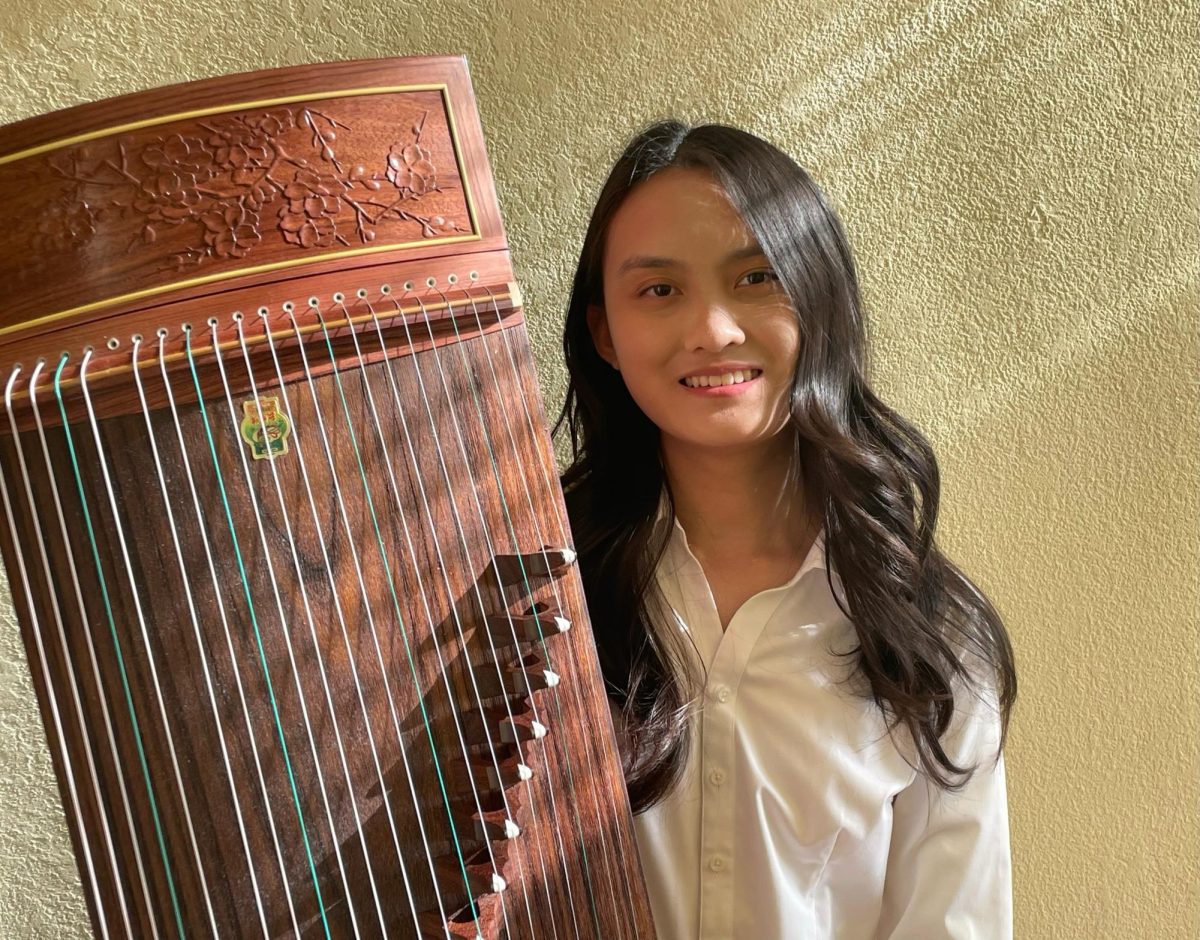
Similar to He, senior Ria Sethi started her LinkedIn with a purpose in mind. She made her account shortly after she founded Cyber For Youth, a nonprofit focused on cybersecurity education. Running her nonprofit required partnerships and credibility, which she didn’t believe that other social media, such as Instagram or TikTok, could fully provide. Sethi instead decided to use multiple platforms strategically to promote her nonprofit: Instagram and TikTok for a younger and more casual audience, and LinkedIn for an older and more professional audience. Furthermore, Sethi has received podcast invitations and job interviews through LinkedIn — professional opportunities that the other social media platforms could not provide.
MVHS alum ‘22 and Stanford University senior Devin Gupta approached networking differently in his high school years. Although Gupta created a LinkedIn profile before college, his prime usage of the platform was during his first two years at Stanford, when he was applying for internships. During his high school years, he noted that most students, including himself, prioritized summer programs over internships, eliminating the need for a professional online resume. Instead, Gupta built connections and networked through community engagement, attending Cupertino City Council meetings and working on journalism projects. Gupta hypothesizes that high school students’ shift to LinkedIn has to do with students having the ability to be more involved in impactful projects.
“When I was in high school, we didn’t have ChatGPT,” Gupta said. “That’s obviously changed a lot of things. Now, a high school student equipped with some sort of large language model is equally as competent as a 30-year-old who is not. I think there is a much greater potential for intelligent Bay Area kids to go and actually contribute to different organizations, whether that’s a volunteer organization or a small company.”
This increased ability to contribute has changed how students interact with professionals. Both He and Sethi note that adults on LinkedIn are encouraging to students starting out on the platform. Sethi found that adults were impressed by young people entering professional spaces early, and He views being a high school student as an advantage since most people enter the startup world in their mid-20s.
Both He and Sethi have also discovered more MVHS students active on LinkedIn than they anticipated. The discovery especially surprised Sethi, who sees the platform as a space where students can share their work and opinions with broader audiences beyond their immediate community.
“I know at least with the MVHS community, there’s a tendency for people to gatekeep what they’re doing,” Sethi said. “But I think it’s actually something we should share more. I think it connects us all together and makes us more human, especially in our polarized world.”
Despite their different uses of LinkedIn, Sethi, He and Gupta all emphasize the importance of networking with purpose rather than only for the numbers. When Sethi first started using LinkedIn, a mentor advised her to connect with as many people as possible so that she didn’t look like a bot. Although she followed this at first, once she reached over 500 connections, she started becoming more selective, only connecting with people whose work actually interested her. Similarly, He maintains a trusted circle of loyal connections who react to his posts and boost engagement, focusing mainly on building long-term relationships with fellow builders. Gupta shares that when high school students reach out to him about something they are passionate about, his conversations with them become more meaningful and authentic.
“Networking for networking’s sake is probably not that useful,” Gupta said. “You need to have a direction first and then network towards that goal. I think the mistake a lot of people make is thinking that building out their network in this sort of ambiguous way is helpful. There’s no harm in it, but it isn’t that productive. If you have some specific thing you’re interested in, it comes off as much more interesting and genuine to the person that you’re talking to and it just feels more real.”