



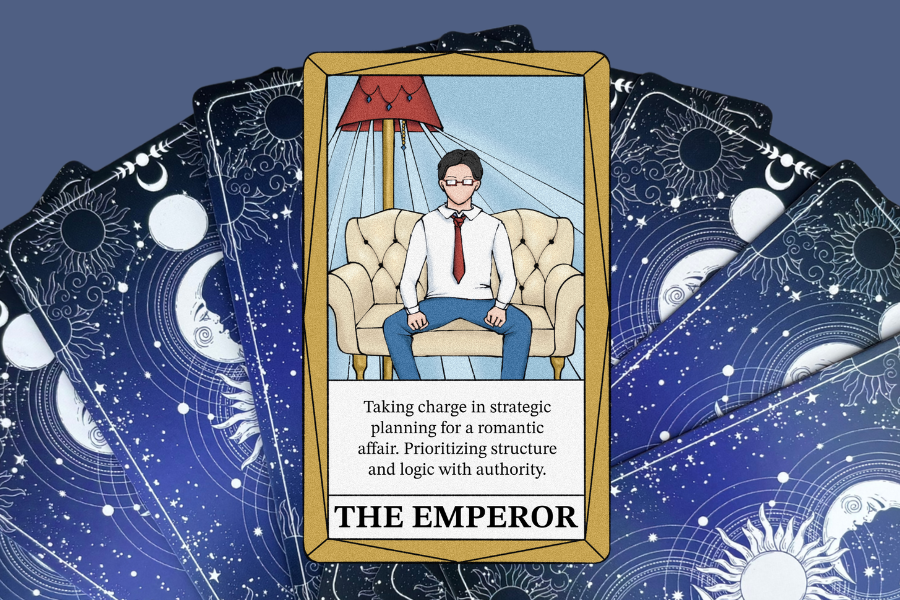
High school relationships, no matter the era, have always been a core part of the exploration and social development associated with the high school experience. However, despite this trend, parents often view them negatively. According to a survey of 95 MVHS students, nearly one-third of parents are against high school relationships.
MVHS notoriously fosters an environment in which the expectation is that schoolwork and grades come first, with everything else less prioritized. Especially often, relationships are regarded as counterproductive to academic success because they are viewed as a distraction to studying.
According to a survey conducted by the Pew Research Center of 361 high school students in relationships, aged 13 to 17, 88% expect to hear from their partner at least once a day, with 38% expecting to hear back every few hours. As such, relationships can be especially demanding for high schoolers. MVHS parent Nicole Perrault cites this as one of the major reasons parents may be concerned about high school relationships.

“High school is a lot more academic and college and career-focused than it was when I was going to school,” Perrault said. “Because of that, there’s less time for the relationship side of high school.”
MVHS parent Jessie Gan agrees with Perrault, emphasizing that high school relationships need to be handled responsibly. While Gan is not opposed to her children being in relationships, she acknowledges that other parents’ concerns about dating are valid, especially given that social media communication has become a defining aspect of high school relationships.
“Students are on their devices all the time, and they can’t really differentiate between study time and social time,” Gan said. “I am not going to micromanage, so it’s all based on trust.”
Junior Eddie Fan, who has been in a relationship for over a year, says that time management is crucial, as it allows him to be able to handle his priorities and make time for school so his grades aren’t affected. As such, his parents aren’t concerned about his relationship.
“My parents would be more worried if my grades were falling,” Fan said. “They would think that I need to spend more time on my homework and tests.”
Perrault also emphasizes the importance of children preserving their individual values, which she learned from her high school relationship experience. To her, this means that her child is still able to be an independent person who can make their own decisions and have their personal priorities.
“Not only that, I wanted to be sure that she maintained her sense of self and who she wanted to be,” Perrault said. “Because that can happen in strong early relationships, especially when kids are younger, they can lose their sense of self.”
Gan raises a similar point: although it is true that high schoolers’ personal behaviors or habits can change as a result of a new relationship, it’s important to be consciously aware of this change and maintain their own values.

“Someone is going to get super close to you, and the closer you get to that person, it might change you,” Gan said. “It will change the way you think, change the way you want to do things. It should be a positive influence on my kids; it can’t be a bad one, that works both ways.”
Despite these potential drawbacks, there are several benefits students may experience when being in a relationship. Fan says being in a relationship has helped him cope with stressful schoolwork and tests, and that always having someone to talk to has also been beneficial. Perrault adds that being in a relationship could be especially valuable for developing interpersonal skills.
“Whether it’s colleagues, whether it’s siblings, whether it’s family, you’re going to have to know how to survive in a relationship of some kind,” Perrault said. “Doing that in high school teaches you pretty early on the skills to do that. So that’s a big positive. You learn how to make sure other people’s feelings matter.”
Moreover, Gan believes being in a high school relationship is a learning experience. According to her, students are able to discover their values, desires and what specifically they’re looking for in a partner, all while their parents are still close by and able to support them.
“Having another person who is really close to you makes you see things differently,” Gan said. “It shows you how you want to be treated, and how you will treat other people. It’s a really good learning experience, and while my son is going through this, it’s happening in high school while he’s home. It kind of gives me peace of mind. I’m still here to help if he needs my help. If he needs an opinion or any feedback, I’ll be here. Or if he goes through heartbreak, I’ll be here to say, ‘you’ll be OK.’”
Fan’s parents have offered similar support, helping him buy gifts and holding him accountable with schoolwork, for instance. Fan mentions that since his parents already have experience being in a relationship, they’ve been able to give him advice and help him navigate dating.

“My parents just want me to be like myself, take care of myself and make sure I have my own identity,” Fan said. “I’ve gained more independence and more clarity on aspects of what I want to do with my life, instead of having to follow my parents’ idea of what they want for me.”
Ultimately, when it comes to responsibly handling high school relationships, communication is key for both parents and students, according to both Gan and Perrault. Perrault notes that one crucial aspect of open communication is trust, and she recommends that parents have conversations with their children about these topics to create a supportive environment and establish safety norms, such as setting boundaries.
Perrault adds that every child is different, and everyone has their own experience with high school relationships. Likewise, Gan points out that every parent has different values. Both parents maintain that it’s up to each family and child to decide whether entering a relationship in high school is advisable.
“Open communication, open dialogue and an open mind are very, very important,” Perrault said. “Helping your child set their own boundaries and communicate what those boundaries are to you is extremely important, because then they have something that they can hold themselves accountable to in the relationship, and they can feel very comfortable telling you about that.”