


Clay Stiver
When the time on the game clock hit zero, a fatigued Clay Stiver walked off the Cupertino High School basketball court for the last time. Growing up with a passion for the game, he entered his final year of high school participating in the CCS playoffs. Basketball has been a cornerstone of school counselor Clay Stiver’s life since playing as a student. After attending college at Cal Poly San Luis Obispo, where he played intramural and club basketball, Stiver began coaching basketball at MVHS. He connected with one of the MVHS Varsity coaches, Bonnie Belshe, and went on to build a successful basketball program. He assisted in coaching the JV team in 2010 before taking over as Varsity Head Coach from 2011 to 2016.
Stiver recalls one of the pieces of advice given by history teacher and former MVHS coach Bonnie Belshe as something he would “never forget.”
“She said, ‘As a new coach, it usually takes about four years,’” Stiver said. “‘You have to take a full cycle of classes to come through at the high school level before everything sets your rules and expectations as a coach, how you run your program and if you’re teaching certain offenses. It does take about that time to just settle in.’”
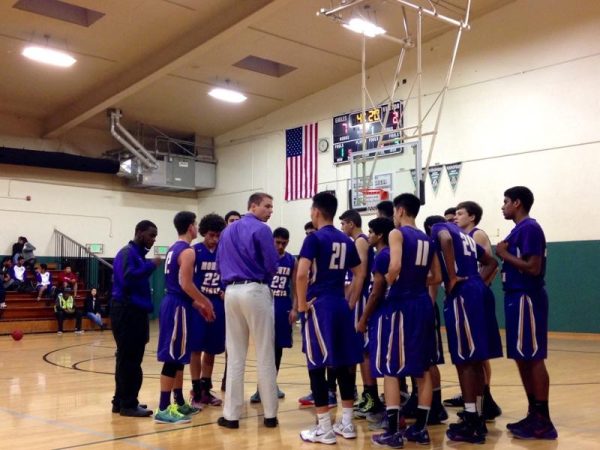
With all that he learned from Belshe, Stiver notes that coaching requires adapting to students’ needs and learning to be flexible—lessons that have carried into his current role as a school counselor. While Stiver emphasized skill-building and strategic play, he also prioritized fun and creativity, often devising innovative plays that energized the team.
As time went on, Stiver took on additional responsibilities, including completing his teaching credentials and earning a master’s degree in counseling. The overwhelming workload and desire for more of a social life led him to step down as the head coach of the basketball program.
“It was a tough sacrifice to make,” Stiver said. “But life just happens, I was in my early 30s at the time, things change.”
Although his coaching career is over, the lessons that Stiver learned along his journey stayed with him. As a basketball coach, Stiver learned to listen to his players’ feelings, emotions and troubles. This later translated into his counselor role, where he understands his students’ struggles and works to devise a solution to resolve them. Stiver notes his greatest takeaway from his years of coaching is to find a balance between competition and having fun.
“More than anything, it is always just to make sure it’s fun, it should be fun and you always want to be competitive,” Stiver said. “You want to try to win, but just really try to focus on making it enjoyable. Because if I’m not having fun for whatever reason, then the students probably aren’t having fun either. So whatever you need to do to spice it up, make it fun, be creative. That’s always what I enjoy.”
Robbie Hoffman
In his four years of attending Homestead High School, history teacher and former MVHS baseball coach Robbie Hoffman split his time between playing basketball and baseball, but the two sports contrasted each other. With baseball, he felt freer, experienced the most joy and felt a true sense of purpose. Unlike his basketball coach, who Hoffman remembers as strict and self-centered, his baseball coach gave players room to grow and make decisions, allowing Hoffman to enjoy the sport more than basketball.
Hoffman applied that philosophy when he began coaching baseball at MVHS in 2011. His desire to return to baseball came from his love for it. Over the next several years, he guided the team players with a focus on personal development, such as being vocal and taking on leadership roles, which can translate into their school life. Hoffman valued working alongside longtime MVHS Baseball Coach and Athletic Director Nick Bonacorsi in his journey as a coach. In the two years that they spent coaching together, Hoffman learned different techniques and approaches that made practices and games feel collaborative and enjoyable.
“My favorite part was the opportunity to interact with students outside of a classroom,” Hoffman said. “You get to see their personalities come out, and it was a nice change in the day, getting to move around and do something different.”
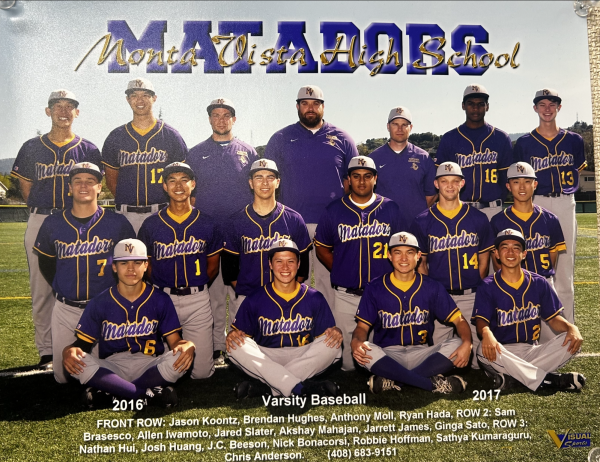
Hoffman saw parallels between his role as a teacher in the classroom and his role as a coach on the baseball field. He nurtured growth, encouraged teamwork and guided students toward becoming responsible and capable individuals. According to Hoffman, he attempted to create an environment where players felt comfortable taking risks. To him, coaching was simply an extension of teaching.
“I never talked about winning and losing very much, it was more about the process of coming out every day and improving our skills, improving as individuals,” Hoffman said. “It was definitely a teacher mentality, not just a coach.”
Hoffman eventually stepped away from coaching at MVHS as he gained more responsibilities through the years. Balancing six days of practice per week as a coach with responsibilities at home became difficult for Hoffman, as he struggled to dedicate himself fully to both. Although Hoffman had stepped away from coaching high schoolers, it ultimately led to him working with his own kids in youth sports. Coaching his kids brought a new experience: shorter practices, more energy to manage, and a focus on fun.
“With my kids, it’s more about just letting them have fun,” Hoffman said. “There’s no pressure — just go play. It’s kind of more about interacting with other people and learning how to be on a team.”
Bonnie Belshe
About 15 years ago, a spot for a JV Field Hockey Coach position opened at MVHS and Bonnie Belshe, a history teacher at the time, recalls the opportunity to revisit one of the brightest times in her life. As a coach, Belshe emphasized sportsmanship and personal responsibility, drawing from lessons she learned from her coach in high school. Her coaching mentality was rooted in the idea that JV sports should be about growth and character development rather than wins and losses: a philosophy that Hoffman mirrored and later became a common coaching approach at MVHS. Additionally, Belshe placed a large emphasis on the sportsmanship of her students, focusing on their mentality and behavior outside the playing field.
“A large focus that my coaches had is that we represent our team even when we are in the classroom, when it is in our season,” Belshe said. “We are representative of our team. This is who we are. And so that culture was also a focus for me as a coach as well. We want students to have that understanding that we want you to be good representatives for Monta Vista field hockey, not just on the field, but in the classroom and as part of the school culture as well.”
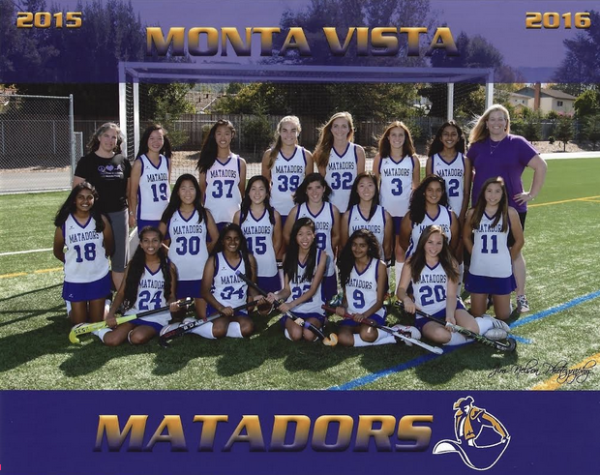
Belshe cites her greatest accomplishment as not just the Matadors’ victories on the field but the recognition she shared with her colleague Denise Eachus through a national coaching award from the Positive Coaching Alliance. Belshe worked closely alongside Eachus to create a strong culture of grit and development. The two collaborated on everything from warmups to game strategy, with both coaches assisting each other’s teams, an arrangement Belshe described as vital in her growth as a coach.
For Belshe, coaching also brought challenges distinct from teaching. Practices and games demanded her evenings and weekends, and Belshe notes it was often difficult to balance that with classroom responsibilities and her career development in becoming Social Studies Department lead. Yet she found joy in watching her athletes form connections.
“My favorite part of coaching field hockey was working with the athletes and watching their development and their learning,” Belshe said. “We were like a family spending so much time together as a group. Seeing how quickly they developed in their skills and as athletes and as teammates working together was always the best part.”
Correction (Dec. 9 1:40 p.m.): This article has been updated to remove fabricated details about the nature of Bonnie Belshe’s injury during her high school sports career.