

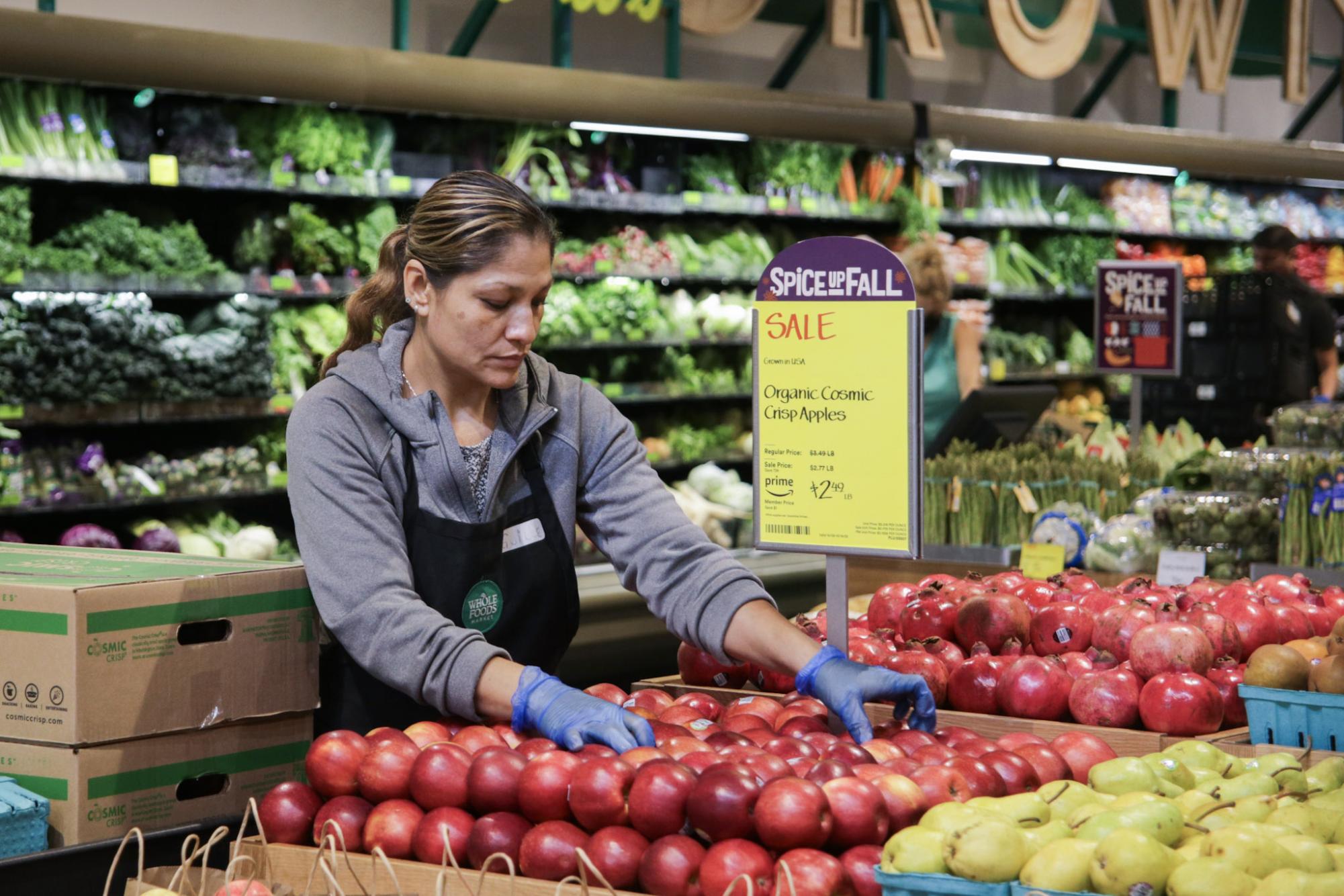


The Whole Foods store located on Stevens Creek Boulevard reopened on Monday, Sept. 29, after a five-month hiatus due to vermin infestations. The store initially underwent a partial closing on April 7, when inspectors from the Santa Clara County Department of Environmental Health reported rodent droppings in multiple areas of the store, including the deli, juice bar and produce section. The county suspended the entire store from operating on April 22 until all safety concerns were resolved.
Ruth Eller, a teacher at Lincoln Elementary School, used to be an avid customer of the store. She was initially drawn to this particular Whole Foods location’s wide variety of health supplements, which she she was unable to find elsewhere during the store’s temporary closure. Eller recalls feeling appalled and disillusioned by the infestations, a sentiment that was common among the store’s customers.

During its closure, Whole Foods focused on addressing the hygiene concerns that led to its hiatus, prioritizing safety, cleanliness and facility upgrades. Whole Foods’ Whole Body supervisor Willis Rosenthal, who manages the body care and wellness section, says that the store worked with pest control services and county health inspectors to make improvements and renovations, especially to the areas that held fresh foods. Rosenthal, who has worked at Whole Foods for 13 years, explains that the store is accountable to health inspections by both city and third-party auditors, and the refurbishment of this location was especially thorough.
“We brought in exterminators and we took every single item out of the store,” Rosenthal said. “It took quite a long time. It was a few months of eradicating and then exterminating, and then refurbishing. All the perishable departments where they serve food in the open were completely renovated. From the floors to fixtures like refrigerators and ovens, everything was completely gutted and replaced with brand new equipment.”
One of the main organizations that Whole Foods worked with during its closure was the SCCDEH itself, which manages a wide range of public health issues, including air and water quality, waste management and food safety. Marilyn Underwood, the Director of Environmental Health at the SCCDEH, clarifies that the department’s main goal is to preserve the safety and hygiene of the surrounding communities.
“This incident highlights how the local government protects the community and why there is a need for public and environmental health oversight,” Underwood said. “Additionally, it presents an opportunity for students to see firsthand how they can support public health through everyday actions and professional experiences.”
Following a final inspection by the SCCDEH on Sept. 10, Underwood assures that the facility has cleared all of its tests and consumers can be confident that the store is fit to operate. According to Underwood, the store took multiple corrective actions, including working with a pest control professional, sealing entry points, doing structural repairs, trapping, cleaning and sanitizing.
Rosenthal explains that while these physical renovations were happening, the employees impacted by this location’s closure were also accommodated. Although there were some changes to the leadership in the store, he believes that they were not atypical and the closure was an opportune time to reset. Lower-level employees did not lose their jobs, and were instead temporarily reassigned and transferred to the Whole Foods store locations nearest to them.
“We actually hemorrhaged a lot of workers that way because people were closer to their houses,” Rosenthal said. “We also had to do a lot of rehiring to fill those positions. So you will notice that there is some degree of change in the staff, but a lot of the people who have been here for a while are still here.”

As a customer, Eller mentions that Whole Foods’ silence about the infestations has made her suspicious about its integrity. She hopes the store will be more transparent moving forward.
“Part of the whole issue to me was how long it went on and how they were hiding it,” Eller said. “That’s not how you build trust. They need to start being more transparent by saying what they’re doing and how they’re maintaining a healthy environment and cleanliness.”
Moving forward, Rosenthal explains that the Stevens Creek location of Whole Foods will have more frequent routine inspections — aiming for monthly check-ins — to ensure a smooth and effective transition back into service. He encourages customers to visit the store and emphasizes that this incident is a good example of the transparency that Whole Foods aims to uphold.
“It’s good to have faith in our public institutions like the SCCDEH,” Rosenthal said. “They’ve done an outstanding job of making sure that the public is safe in every single way as they always do, and this is just yet another example of that being put into practice.”