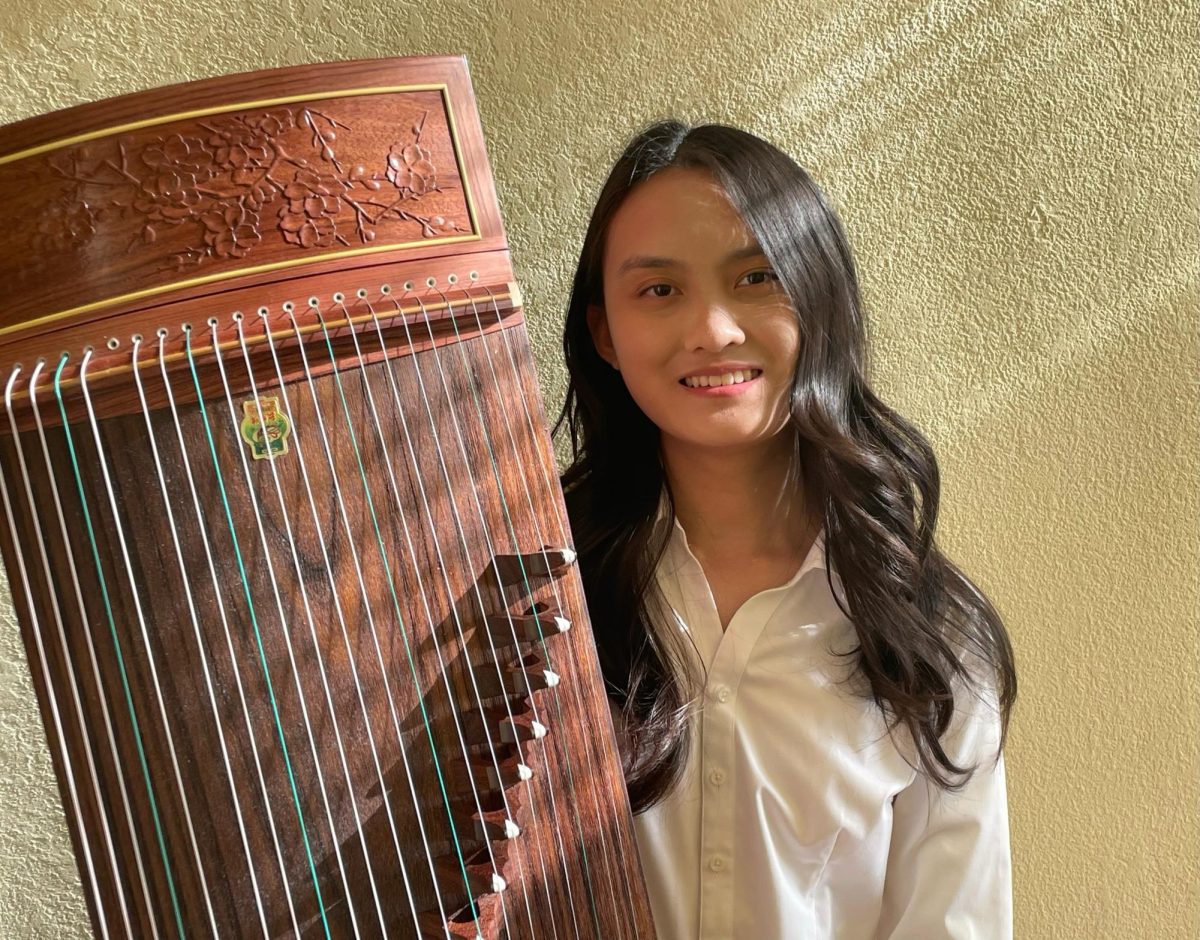



Filled with adrenaline, senior Gillie Ross stands at the DMV kiosk as she answers question after question on the computer in front of her, testing her knowledge of California’s driving laws. Then, another missed question flashes across the screen. Ross pauses, counting the number of mistakes she had already gotten wrong. Eight? Wasn’t she only allowed to get seven wrong? As she starts to panic, only one thought flashes through her mind: Did I just fail this test? But she keeps clicking to the end of the test, not missing any more questions. After the test, she stands in anticipation, waiting for the result, when the DMV worker congratulates her for passing, and she feels a sense of relief wash through her.
Ross’s behind-the-wheel test flew by soon after, and now that she is fully licensed, she’s enjoying the independence that comes from being able to drive. She also says her parents are happy because now they don’t have to drive her. Moreover, she also often helps them out by driving her two siblings around.
“I’m like a family Uber service now,” Ross said. “Sometimes it’s a little frustrating, especially if I have plans, but in the end, I’m just grateful that my parents are letting me use their car and I’m able to drive around. So I’m grateful that I have the freedom and also the means to have this much freedom.”

On the other hand, senior Sahasra Anand does not want to get a driver’s license because she doesn’t trust herself to drive. Like many other teens across the country, Anand says her fears, like getting into an accident or being pulled over, keep her from driving. However, after her older sister had a hard time figuring out transportation when she went to college, her parents began urging her to get a license.
“I think they are really wanting to rush the process,” Anand said. “I feel like the roles are a little bit reversed — that I’m the one who’s being a little bit more precautious, and I’m the one who’s a little bit scared to let myself on the road, so sometimes I feel like they’re pushing me a little bit too much to do it.”
Raman Narwal, who co-owns Vitty Driving School with his mother, understands that parental pressure could be a large factor in teens getting their licenses, since they want their children to become familiar with driving before being on their own. However, as someone who wanted to get a license from a young age, he says that the decision to get a license lies with the teens.
“You’re taking a big responsibility when you’re getting that license, and I would say you have to feel ready and be careful,” Narwal said. “But you have to drive at some point when you turn 18. It’s okay to get a license early and get more comfortable, and over time, you will become a good and safe driver.”
Because some teens obtain their licenses out of necessity, Anand recognizes how privileged she is to be able to rely on her parents for transportation, as they primarily work from home. Although her fun plans, like shopping trips, occasionally get cancelled, she says not having a license doesn’t affect her much because she mainly only needs transportation to and from school.
“If anything, sometimes I’m in a little bit of disbelief that my friends have licenses — honestly, it just makes me laugh a little bit,” Anand said. “I just don’t feel like we’re at all old enough or mature enough to have a license. Obviously, I do think it’s great that they have a government ID in that way. I don’t have a government ID, so I am a little bit jealous about that. But I don’t really feel any hard feelings about it.”
In Ross’s case, she likes having the ability to plan her day around her own schedule, rather than her parents’. As the only person in her friend group with a license, she says it’s easier to hang out with her friends. For example, she spent a lot of time in her house the previous summers because she wasn’t able to go out as much. On the other hand, this recent summer, she was able to hang out with her friends every day.
“I’ve kind of embraced that I’m the soccer mom of my friend group,” Ross said. “I bring everyone everywhere, and I kind of love that. I’m their Uber service every lunch, like, ‘Oh, Gillie, where are we going for lunch today?’ I’m fine to go. I just make them pay for me—I’m shameless about that.”

According to Narwal, only around 30% of his customers are actually under 18. He says many customers decide to get their licenses as adults because those who move from out of state feel pressured to get cars due to the suburban setting or need a California-specific license. Additionally, as prospective drivers over 18 have fewer requirements to get their licenses than teens, not having to take an online driver’s education course or pay for behind-the-wheel practice, Narwal says they might be more likely to wait.
Anand says she feels like she will have to figure out her situation over the next few months, as she doesn’t want to stay too close to home for college and will not be able to rely on her parents for transport. Additionally, she is wary of public transport in major cities and sees driving as a slightly safer option.
“I always tell myself, ‘Next month, I’ll take the permit test,’ and then I don’t do it,” Anand said. “But I just don’t want it to be a worry right now. I mean, I’m obviously stressed about other things, and this is something that would stress me out a lot, and so I just don’t want to worry about it as of now.”
Ultimately, Ross says, as families in Cupertino often have more money, it could feel like everybody has cars, when that isn’t true. She feels this misconception could cause a lot of peer pressure for teens, because they feel like they need a car to be “included” or “popular,” when that isn’t necessary.
“It’s fun and useful to have a car, but it’s not the end of the world if teens don’t get a license before they go to college,” Ross said. “You can always figure something out, like public transport or getting rides with friends.”