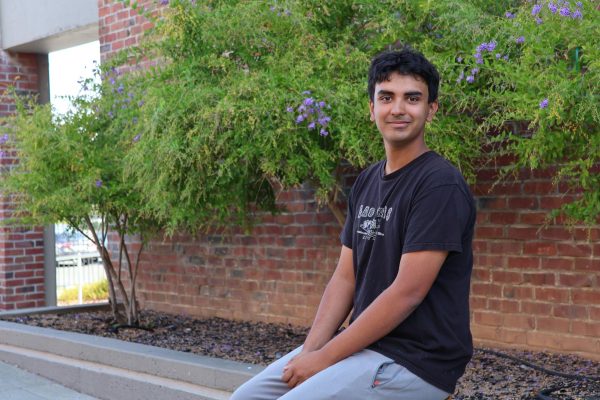



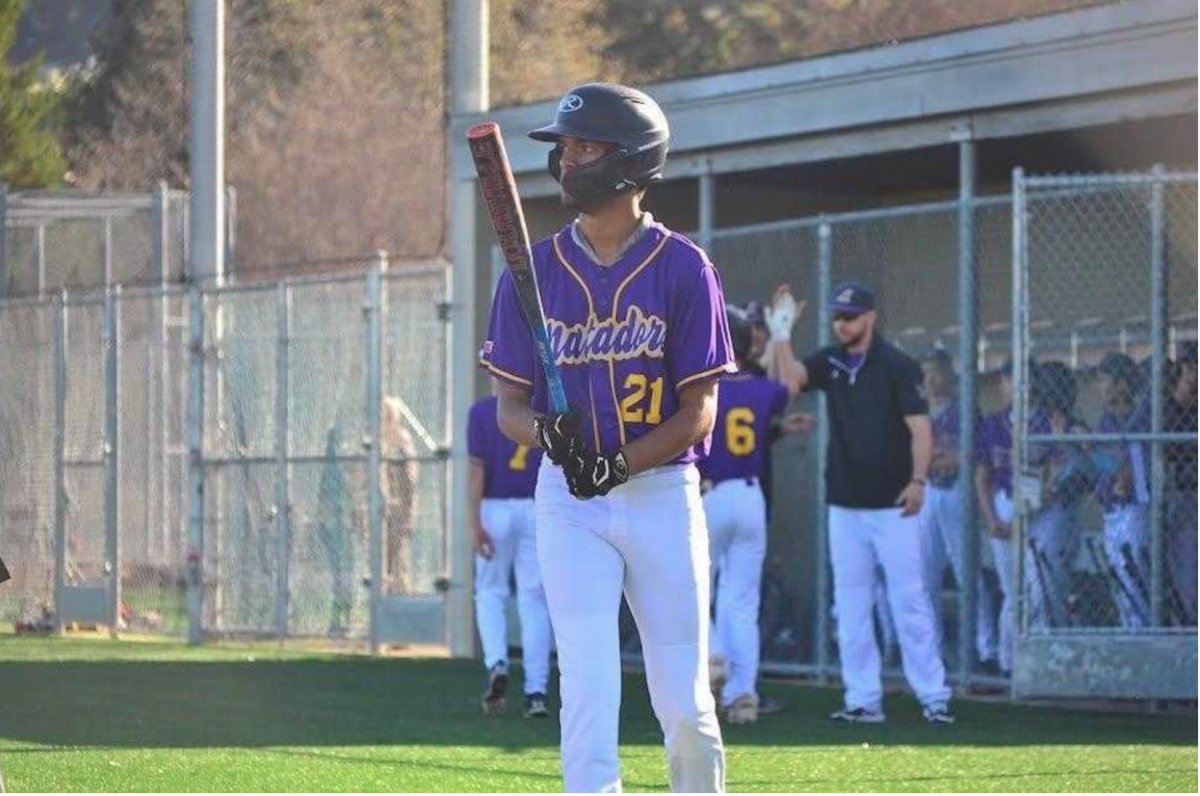
Repetitively pushing himself through his exercises for one hour on weight training and one hour on skill training a day, sophomore and baseball player Aarav Jain trains for four days during the off-season, totaling eight hours a week during summer. For Jain, off-season training practices benefit his performance, since he tends to use this time to work on things he’s been struggling with during previous seasons.
“It’s the time when you can work on your skills because you don’t have the pressure of the season,” Jain said. “Especially for high schoolers, the off-season is usually the summer, so you can just spend all day there, getting better for the season.”
The average high school athlete spends 10 to 15 hours a week on sports-related activities, evening out to roughly 1.5 to 2 hours of playing their sport daily. The structured playing in-season is frequently associated with higher academic performance from student athletes. In addition to this belief is that studies suggest that off-season training positively impacts GPA and tangentially boosts aerobic capacity and sprint performance to a level greater than in-season training.
This effect is mirrored by sophomore and badminton player Aanvi Singh, who has been training for five hours a week at Bintang Badminton, a badminton training facility, since August as part of her off-season training. Although no formal off-season training is hosted by the Badminton team, the club provides optional practice days for members to enhance their skills on Mondays. Singh describes her off-season training as crucial for where she is right now, as it affects not only her skill but also her game versatility.
“I was a varsity substitute, but then I became varsity two and then varsity one — it helps you rank up,” Singh said. “I used to be a doubles player, but because I did so much conditioning off-season, I started playing singles because I have the stamina now. Off-season training gives you a lot more options in what you can play and be good at.”
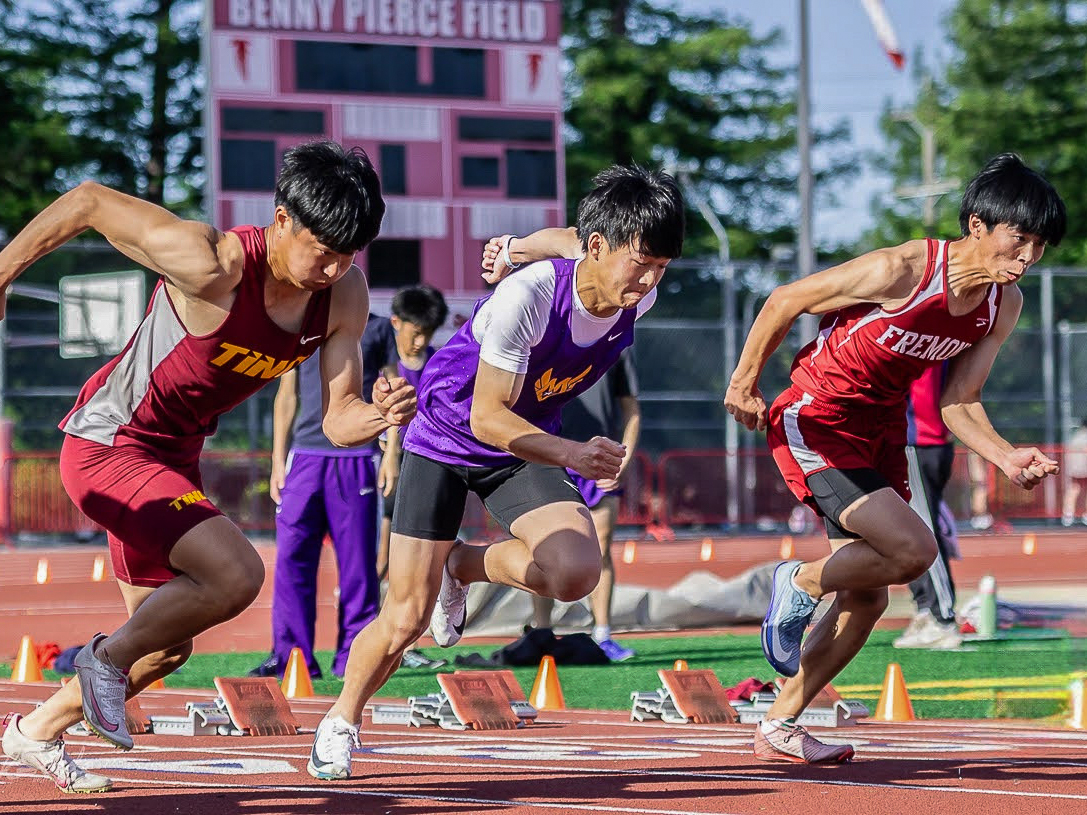
Junior Miranda Hsu, a runner for the Cross-Country and Track and Field teams, describes off-season training as fun and almost unstructured, giving the athletes more responsibility to train by themselves and maintain discipline when it comes to their sports’ practices. She believes that off-season training physically prepares her and her teammates for the upcoming season.
“I’ve seen a lot of my teammates training during the off-season, and it does help them improve — they’re much faster as well,” Hsu said. “It’s definitely more lenient, since we’re running our own things. We can typically choose what we like, where and what runs we want to do, which is nice. Sometimes we go on side quests and go to different places where we don’t typically run during practices.”
Track and Field’s off-season training, along with Cross Country’s, focuses on student independence without direct management from a coach. Students split into various groups and develop their own path, with the ability to decide how far they want to go and to what extent to push themselves. Cross Country Head Coach and Track and Field Distance Coach Kirk Flatow argues that this philosophy is relevant to real life and is effective in assessing an athlete’s dedication.
“Your parents aren’t going to be looking over your shoulder to see if you’re doing homework,” Flatow said. “Your professors aren’t going to even pay attention to whether you’re coming to class or not. They don’t take attendance. It’s all on you guys, so you might as well start learning that now. Find your own internal drive to pick something important to you and do it because you want to do it, not because somebody’s making you do it.”
As Flatow mentions, training during the off season creates necessary habits for student athletes, such as time-management skills, determination and productivity. Even though he believes these skills are developed during practices and strengthen his athletes’ scholarly performance and agile abilities, he feels that athletes must develop academic discipline to have a good athletic experience.
“Off-season training gives your day and your week more structure, because now, instead of going home, you’ve got to get your homework done,” said Flatow. “You’ve got to get to sleep instead of going down the TikTok rabbit hole because you have to work out the next day. There’s a little bit of time management that you have to do if you’re going to be an athlete.”
Training during the off-season, Flatow says, showcases the student-athletes’ improvement during games and their implementation of these skills during the academic year. It also gives them a chance, whenever they have it, to attain their individual goals so they can work better as a team. Jain also mentions that, even though his off-season program for baseball, Tsunami, has athletes from across the Bay Area rather than just MVHS, he ensures that when they eventually come together to showcase the skills they’ve been working on, it’s a better experience for each person.
“As a group, it really makes us feel more connected, because we support each other,” Jain said. “We pick up each other when we’re having bad games. Everyone should do off-season training. In the end, it’s just a way to work on your skills and become more confident in your abilities.”