



Turf replacement and renovations in the MVHS lower and upper fields, which began on June 7, 2025 and concluded in early October, led to the temporary displacement of field sports’ practices and games in the fall season. Although the renovated turf has enabled field sports like soccer and baseball to resume their practices, athletes and coaches have had to adjust to changes in texture and playability on the new fields.
According to Head Baseball Coach Shawn Voigt, the completion of the turf renovation marked a shift from anticipation to adjustment. Even though Voigt acknowledges the long-term benefits of a newer surface, he states that the immediate experience was less about excitement and more about adapting to a field that played differently from what players were accustomed to.
“It was frustrating when it was built during our season, but I understand that it’s for the future program,” Voigt said. “I’m really looking forward to playing on a brand new surface, but there are going to be adjustments to how the ball plays off the turf and how we’re able to gain traction and be athletic on the turf.”
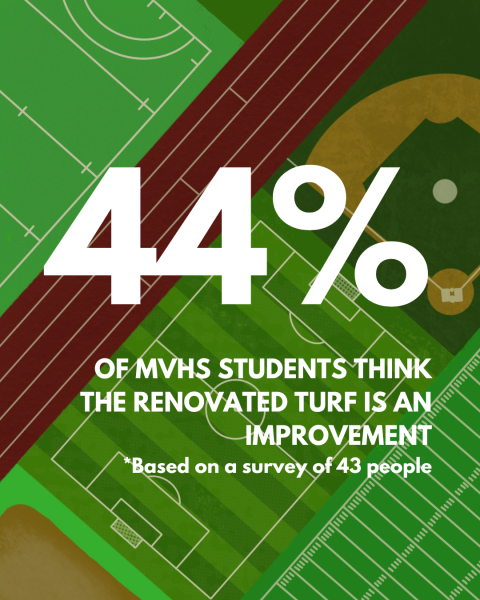
According to junior, soccer and flag football player Isobel Schweigert, the noticeable changes to the turf went beyond the new appearance. She says that because the sports she plays rely heavily on sprinting and quick changes in direction, the differences in traction let her experience the turf in a more tactile way and shape her equipment and movement choices on the field.
“The new turf is shorter, so it’s harder to wear cleats,” Schweigert said. “Our athletic trainer was advising that everyone buy turf shoes because it’s more suitable. On a newer turf, your passes are easier because the ball moves faster and you don’t have to take as many touches to get across the field.”
According to senior and soccer player Vedant Agarwal, the harder turf affected the team’s game and practice by decreasing confidence in gameplay. This textural change can be attributed to the new organic fill of the renovated turf, which uses olive pits instead of the previous black crumb rubber.
“I feel like the turf is more slippery, so people are less confident to change directions,” Agarwal said. “Our playing is less agile during games, and practices are also less intense because people are scared of slipping. I think it’s gotten a lot better now, because we got used to the turf, so people know how to use it to their advantage to change directions or pass the ball or plant their foot.”
These gameplay changes extend to sports like baseball, where the turf’s friction can have a major impact on gameplay. In response, Voigt says that the baseball program returned to more foundational skills, in order to revise habits developed under previous field conditions.
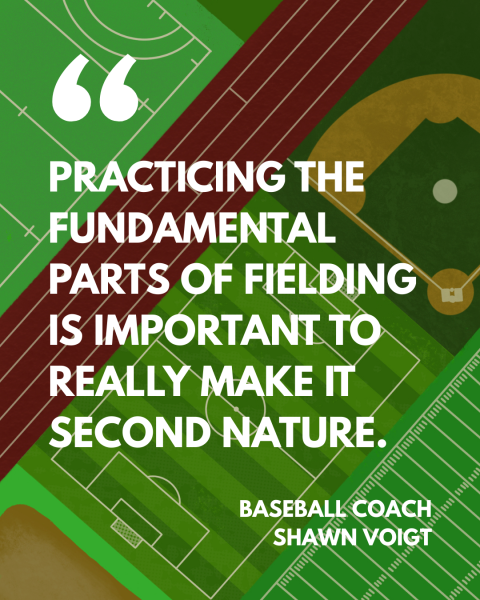
“Because it’s newer and spongier, there’s more friction when the ball touches the ground, and that makes it bounce less,” Voigt said. “We are focusing on techniques like staying down to field the ball and not lifting our bodies up too soon, which we tended to do, based on the turf from the last few years. Practicing the most fundamental parts of fielding is important to really make it second nature. The first few practices, players were sliding past the base, so we need to make that adjustment as well.”
Voigt framed the turf upgrade as a long-term investment in athlete health. He says that the new surface can be a preventative measure that reduces impact strain on joints and lower risk of injuries and chronic conditions like osteoarthritis as the seasons progress.
Despite the renovation, Schweigert believes that the renovation doesn’t fully address the needs of every sport. She notes that while the surface itself improved, the lack of field markings and sport-specific considerations for the relatively new flag football team — despite superintendent Graham Clark citing flag football fields as part of the original renovation plan — remained a source of frustration.
“We were expecting that they would paint an actual field for flag football because it was a new sport,” Schweigert said. “They were supposed to make a field and have hash marks since you need hash marks to play football, so it was a little irritating.”
Overall, Voigt says that the renovation represents an ongoing process of gaining familiarity with the field. He says that learning how to read and respond to the new turf is now part of the competitive aspect of baseball.
“Baseball has always been about adjustments,” Voigt said. “Every field is going to be different, so we always have to pay attention and make adjustments. They need to appreciate every rep and reflect how the ball played and be mindful of that. Considering how the ball is playing off the turf is part of your development to be a better player and help the team be better.”